

Closing the loop on platinum group metals: From recovery to remanufacturing
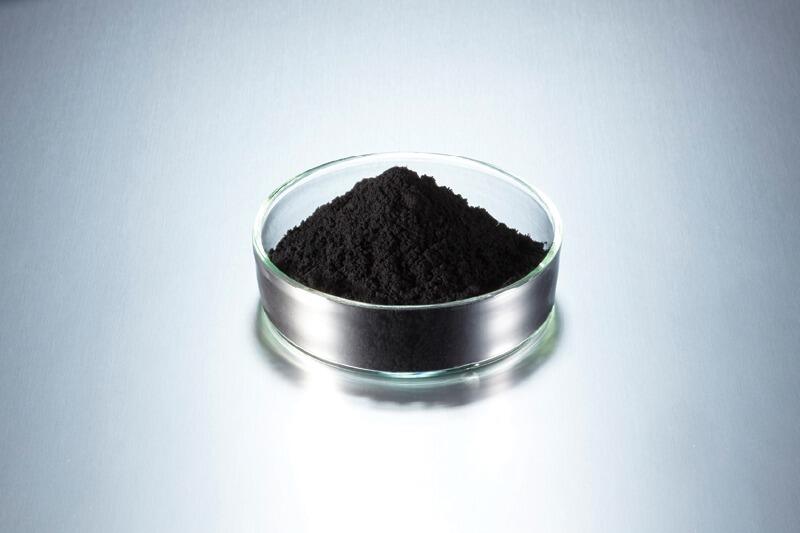
引用元:Recycling Today
日 付:2026年9月24日
著 者:安部 尚子(株式会社田中貴金属グループ ゼネラルマネージャー 兼 コーポレートコミュニケーション責任者)
リンク:Closing the loop on platinum group metals: From recovery to remanufacturing
田中貴金属にとって、循環は白金族金属の分野に欠かせないものである。
貴金属を取り扱い、幅広い産業に貴金属製品を供給する田中貴金属工業株式会社。田中貴金属は、循環型経済が社会にとってだけでなく、貴金属材料に依存する顧客にとっても重要であると認識しており、この移行を支えることに力を注いでいる。
1885年に両替商として創業した田中貴金属は、日本の工業化とともに、貴金属の工業利用に軸足を移していった。1907年には、廃棄された白熱電球から白金を回収・精製し、白金線へと加工することに成功した。これは、貴金属リサイクルと工業製造を組み合わせた初期の例である。以来、田中貴金属は貴金属のリサイクル技術と分析技術を磨き続けてきた。
同社は現在も、金や銀に加え、複雑な材料から個々の金属を回収するのに高度な技術的専門性を要する白金族金属(PGM)を含む、貴金属のリサイクルを続けている。
田中貴金属にとって、リサイクルはDNAに刻まれたものであり、限りある資源の再利用を可能にすることから、貴金属業界にとって絶対的な要件でもある。しかし、同社の循環型経済への取り組みは環境面の配慮にとどまらず、事業の中核を成している。材料調達、技術開発、製品供給、顧客との関係のすべての背後に、田中貴金属の循環型のアプローチがある。
リサイクルを礎として
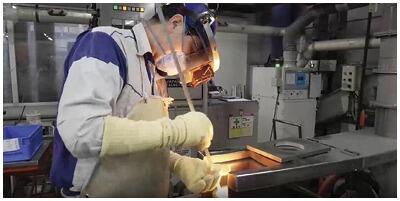
白金(Pt)、パラジウム(Pd)、ロジウム(Rh)、イリジウム(Ir)、ルテニウム(Ru)といったPGMは同社の事業の中核であり、田中貴金属が取り扱うPGM材料のおよそ80%はリサイクル由来である。
PGMは希少な資源である。たとえば1トンの原鉱石から得られる白金はわずか数グラムにすぎないことを考えれば、採掘に伴うコストと環境負荷を避けられるリサイクルは、資源の制約に対する現実的な解決策であり、経済的にも環境的にも合理的である。PGMをリサイクルすることで、鉱山から得る場合と比べてCO₂換算の排出量を90%以上削減できる可能性もある。
課題は、PGMを含む産業スクラップには、複数のPGMに加え、鉄、銅、ニッケル、クロムといった卑金属が含まれている場合があることだ。PGMは互いに性質が似ているため、こうした複雑な材料から個々の貴金属を効率よく分離することは技術的に難しい。分離工程での貴金属のロスを最小限に抑えることも、回収価値を大きく左右しうる。PGMリサイクルの主要な原料の一つが、使用済み自動車触媒である。田中貴金属はこれらの触媒からPGMをリサイクルしており、そこで培った技術は、より幅広いPGMリサイクル能力の基盤にもなっている。
したがって、田中貴金属のアプローチは回収・精製にとどまらない。貴金属リサイクルと製造能力を組み合わせることで、回収した資源を貴金属製品として産業に戻すことができる。
一貫したソリューション
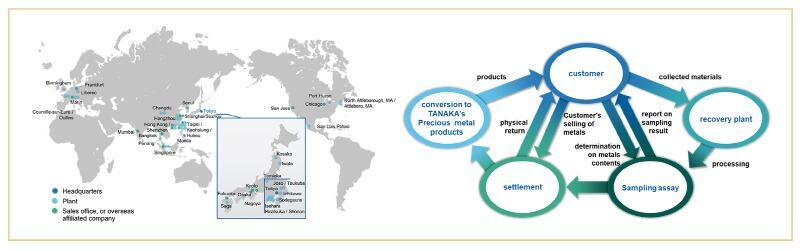
田中貴金属のリサイクルプロセスは、大きく「回収・前処理」「評価」「分離・精製」「製品化」の4段階に分けられる。
回収の後、前処理によって材料を正確に評価できる状態に整える。回収した材料は、均一化のための前処理を受ける。スクラップの性状に応じて、焼成、粉砕、溶解、さらには酸溶解などを行う。適切な手法は、貴金属のロスを避けるものでなければならない。
次の段階が評価である。前処理した材料を均質化した後、代表サンプルを採取して分析し、含まれる貴金属の種類と量を特定する。正確なサンプリングと分析は、貴金属の含有量を確定し、田中貴金属と顧客との信頼関係を保つうえでの基本となる。
その分析・評価能力を示すものとして、田中貴金属工業株式会社は2009年、ロンドン・プラチナ・パラジウム・マーケット(LPPM)から、白金およびパラジウムの公認審査会社(Good Delivery Referee)に任命された。LPPMの公認審査会社は世界でわずか6社しかなく、日本では唯一である。また田中貴金属は、2003年からロンドン貴金属市場協会(LBMA)の金・銀の公認審査会社も務めている。
評価の後に続くのが分離・精製である。この段階で田中貴金属は、個々のPGMを互いに分離し、鉄、銅、ニッケル、クロムといった卑金属を取り除いたうえで、回収した金属を再利用に向けて精製する。
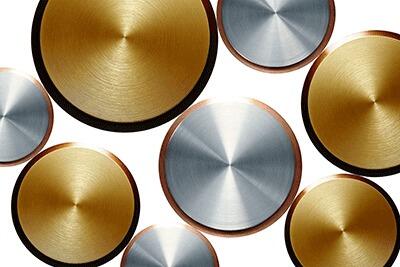
最後の段階が製品化である。回収した金属は高純度の地金に精製され、田中貴金属が買い取るか、顧客に返却されるか、あるいは顧客のニーズに応じて加工・製品化されて供給される。多くの場合、回収された貴金属は製品として顧客のもとに戻り、これらの資源が再び産業で使われることになる。
このようにリサイクルは、貴金属の回収・精製だけにとどまらない。回収された材料は製品へと加工されて産業に戻り、リサイクルの循環を完結させる助けとなる。
田中貴金属では、回収された貴金属を製品の形で供給し、さまざまな産業用途に使ってもらうことができる。30種類を超える産業用貴金属製品の幅広いラインアップには、スパッタリングターゲット、ガラス溶解装置用白金材料、燃料電池用電極触媒、自動車用スパークプラグ向け材料をはじめとする多様なPGM系製品に加え、化合物、シート、チューブ、ワイヤなど、さまざまな形態の先端貴金属素材が含まれる。より広い産業用製品群としては、燃料電池用電極触媒、カドミウムフリーのリベット接点、スパッタリングターゲット、白金系熱電対、ガラス溶解装置用白金材料など、30種類を超える貴金属製品を展開している。
「田中貴金属にとって、リサイクルは貴金属を回収・精製して終わりではありません。私たちは貴金属製品の開発・製造も行っているため、回収した材料を、お客さまが使える形にして産業へ戻すことができます。リサイクルと製造をつなぐことは、限りある貴金属資源を循環させ続けるための、私たちの取り組みの重要な一部です」と、田中貴金属のゼネラルマネージャー、安部 尚子は語る。
広がるグローバルな展開
田中貴金属は、日本最大級のリサイクル体制を持つ。市川工場と袖ケ浦工場がPGMを、湘南工場が金・銀のリサイクルを担っている。
日本国外では、米国、中国、台湾、マレーシア、スイスなどにリサイクル関連の拠点や技術提携先を持ち、それぞれの地域でリサイクルを可能にする体制づくりを進めている。これは、有害物質を含む材料の越境移動に対する規制や、各地域内で資源をリサイクルすることの重要性の高まりに対応するものである。
希少なPGMにとって、効果的なリサイクルとは、価値ある金属を回収するだけでなく、それらが産業用途に戻る道筋をつくることでもある。評価、回収・精製、製品化を通じて、貴金属は一度の用途で役目を終えることなく、循環し続けることができる。
リサイクルと製造をつなぐことで、田中貴金属は限りある貴金属資源を循環させ続け、それを先端材料へと生まれ変わらせている。それが、技術の進歩と材料の持続可能な供給の両方を支えている。
著者紹介

安部 尚子
株式会社田中貴金属グループ ゼネラルマネージャー 兼 コーポレートコミュニケーション責任者
安部 尚子は、株式会社田中貴金属グループのゼネラルマネージャー兼コーポレートコミュニケーション責任者。2008年、エレクトロニクス製造サプライチェーンの国際業界団体であるSEMIにシニアコーディネーターとして入職し、太陽電池をはじめとする再生可能エネルギー分野と半導体分野を担当した。以来、エレクトロニクス・材料産業における専門性を着実に培い、市場動向に関する深い知見を蓄えてきた。
※編集者注:貴金属とは、金(Au)、銀(Ag)、白金(Pt)、パラジウム(Pd)、イリジウム(Ir)、ロジウム(Rh)、ルテニウム(Ru)、オスミウム(Os)の8元素を指す。
【記事引用元】Closing the loop on platinum group metals: From recovery to remanufacturing
本記事は、許可を得て、田中貴金属が翻訳・掲載しました。
関連情報
Source: Recycling Today
Date: September 24, 2026
Author: Natalie Abe (General Manager and Head of Corporate Communications, TANAKA PRECIOUS METAL GROUP Co., Ltd.)
Link: Closing the loop on platinum group metals: From recovery to remanufacturing
For TANAKA, circularity is essential to the platinum group metals sector.
TANAKA PRECIOUS METAL TECHNOLOGIES Co. Ltd. that handles precious metals and supplies precious metal products to a wide range of industries, TANAKA recognizes that the circular economy is important not only for society but also for customers that rely on precious metal materials and is committed to supporting this transition.
From its founding as a coin dealer in 1885, TANAKA began to focus on the industrial use of precious metals as Japan industrialized. In 1907, TANAKA successfully recovered and refined platinum from discarded incandescent light bulbs and processed it into platinum wire—an early example of combining precious metal recycling with industrial manufacturing. Since then, TANAKA has continued to develop recycling and analysis technologies for precious metals.
The company continues to recycle precious metals, including platinum group metals (PGMs), where recovering individual metals from complex materials requires advanced technical expertise, as well as gold and silver.
For TANAKA, recycling is in its DNA and an absolute requirement for the precious metals sector because it enables the reuse of limited resources. However, the company’s embrace of the circular economy goes beyond environmental considerations to form the core of its business, with TANAKA’s circular approach behind its material procurement, technology development, product supply and customer relationships.
Founded on recycling
PGMs, such as platinum (Pt), palladium (Pd), rhodium (Rh), iridium (Ir) and ruthenium (Ru), are core to the company’s operations, with roughly 80 percent of the PGM materials handled by TANAKA coming from recycling.
PGMs are rare resources. Recycling offers a practical solution to resource constraints and is economically and environmentally rational as it avoids the expense and environmental impacts associated with mining, particularly considering that 1 ton of raw ore yields only a few grams of platinum, for instance. Recycling PGMs also can reduce CO₂-equivalent emissions by more than 90 percent compared with obtaining them from mined sources.
The challenge is that PGM-bearing industrial scrap can contain several PGMs together with other base metals such as iron, copper, nickel and chromium. Because PGMs have similar properties, efficiently separating individual precious metals from these complex materials is technically demanding. Minimizing precious metal losses during separation also can make a significant difference to the recovered value. A major source of PGM recycling is spent automotive catalysts. TANAKA recycles PGMs from these catalysts, and the technologies developed through this work also provide a foundation for its broader PGM recycling capabilities.
TANAKA’s approach, therefore, extends beyond recovery and refining. By combining precious metal recycling with manufacturing capabilities, recovered resources can be returned to industry as precious metal products.
Integrated solutions
TANAKA’s recycling process can be divided broadly into four stages: collection and preprocessing; assessment, separation and refining; and productization.
Following collection, preprocessing prepares the material for accurate evaluation. Collected material undergoes pretreatment to achieve uniformity. This process can include calcination, crushing, melting and even acid dissolution, depending on the characteristics of the scrap. The appropriate method also must avoid the loss of precious metals.
The next stage is assessment. After the pretreated material has been homogenized, a representative sample is taken and analyzed to determine the types and quantities of precious metals it contains. Accurate sampling and analysis are fundamental to determining precious metal content and to maintaining trust between TANAKA and its customers.
Reflecting its analytical and assessment capabilities, TANAKA PRECIOUS METAL TECHNOLOGIES Co. Ltd. was appointed a Good Delivery Referee by the London Platinum & Palladium Market (LPPM) for platinum and palladium in 2009. It is one of only six LPPM Good Delivery Referees worldwide and the only one in Japan. TANAKA also has served as a Good Delivery Referee for gold and silver for the London Bullion Market Association (LBMA) since 2003.
Separation and refining follow assessment. At this stage, TANAKA separates the individual PGMs from one another and removes base metals such as iron, copper, nickel and chromium before refining the recovered metals for reuse.
The final stage is productization. The recovered metals are refined into high-purity bullion that is then either purchased by TANAKA, returned to the customer or processed and supplied as products according to the customer’s needs. In many cases, the recovered precious metals are returned to customers as products, putting these resources back into industrial use.
Recycling therefore can extend beyond the recovery and refining of precious metals. Once recovered, these materials can be processed into products and returned to industrial use, helping to complete the recycling cycle.
At TANAKA, recovered precious metals can be supplied in product form for use across a range of industrial applications. Its extensive portfolio of more than 30 types of industrial precious metal products includes a wide range of PGM-based products, such as sputtering targets, platinum materials for glass-melting equipment, fuel cell electrocatalysts, materials for automotive spark plugs, as well as advanced precious metal materials in various forms, including compounds, sheets, tubes and wires. Its broader industrial portfolio comprises more than 30 types of precious metal products, including electrocatalysts for fuel cell, cadmium-free rivet contact, sputtering targets, platinum thermocouples and platinum materials for glass melting equipment.
“For TANAKA, recycling does not end with recovering and refining precious metals. Because we also develop and manufacture precious metal products, we can return recovered materials to industry in forms that customers can use. Connecting recycling with manufacturing is an important part of how we help keep limited precious metal resources in circulation,” says Natalie Abe, General Manager, TANAKA.
A growing global presence
TANAKA operates one of Japan’s largest recycling systems, with its Ichikawa and Sodegaura plants handling PGMs, while its Shonan plant handles gold and silver recycling.
Outside of Japan, TANAKA has recycling-related locations and technological partnerships in countries that include the U.S., China, Taiwan, Malaysia and Switzerland and is developing systems that enable recycling in each of these areas. This responds to restrictions on the cross-border movement of materials containing hazardous substances and the growing importance of recycling resources within each region.
For scarce PGMs, effective recycling involves not only recovering valuable metals but also creating a pathway for them to return to industrial use. Through assessment, recovery and refining and productization, precious metals can remain in circulation rather than ending their useful life after a single application.
By connecting recycling with manufacturing, TANAKA keeps limited precious metal resources in circulation and transforms them into advanced materials, helping to support both technological progress and the sustainable supply of materials.
About the Author
Natalie Abe
General Manager and Head of Corporate Communications, TANAKA PRECIOUS METAL GROUP Co., Ltd.
Natalie Abe is General Manager and Head of Corporate Communications at TANAKA PRECIOUS METAL GROUP Co., Ltd. In 2008, she joined SEMI, a global association for the electronics manufacturing supply chain, as a Senior Coordinator. There, she focused on renewable energy including solar cells as well as semiconductor sectors. She has consistently developed her expertise in the electronics and materials industries, acquiring deep insights into market trends.
Editorial note: Precious metals comprise eight metallic elements: silver (Ag), gold (Au), platinum (Pt), palladium (Pd), iridium (Ir), rhodium (Rh), ruthenium (Ru) and osmium (Os).
[Source] Closing the loop on platinum group metals: From recovery to remanufacturing
This article has been published by TANAKA with permission.
Related information
이 기사는 어땠어?
참고가 된 분은, 공유를 부탁합니다.


