

PRECIOUS METALS: CONTRIBUTING TO A SUSTAINABLE FUTURE FOR THE AUTOMOTIVE INDUSTRY
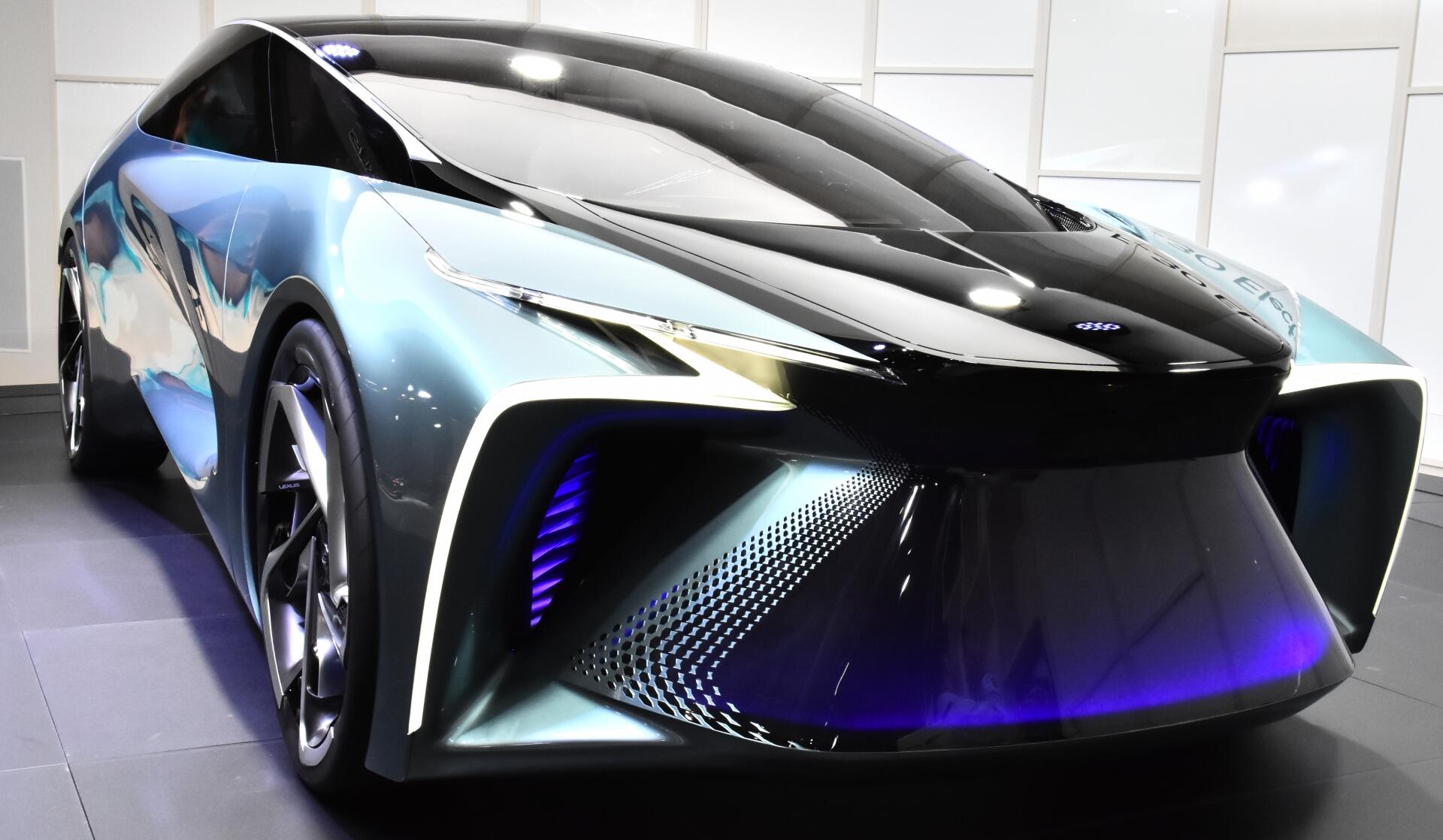
Precious metals are becoming important materials for the rapidly growing automotive industry. They contribute to the development of advanced mobility, such as electric vehicles, which can be considered as a collection of electronic devices, and fuel cell vehicles that use hydrogen as energy.
As the automotive industry continues to shift towards smarter and more fuel-efficient products, the use of components containing precious metals is expected to increase. For example, a hybrid vehicle has approximately 33,000 parts1, which include various types of precious metals, as well as metals such as aluminum and copper. While it is known that precious metals such as rhodium and palladium are used in automotive exhaust gas purification systems, this is just one example.
On the other hand, materials with high demand are in a state that is prone to supply chain disruptions. As evidenced by the shortage of critical components, including semiconductors, the COVID-19 pandemic has presented new challenges for the automotive industry. What resource competition means is that the automotive industry must carefully consider how to procure various materials, including precious metals.
Technology suppliers that prioritize the recycling and reuse of these materials offer various unique benefits. These include improved resource utility and more sustainable practices, which help instill consumer trust and meet standards for corporate social responsibility.
1 TANAKA Group's Global Site, https://tanaka-preciousmetals.com/en/guide/column/article21.html
Precious Metals: In line with technological innovation in the automotive industry

Most of the platinum group metals mined worldwide, including platinum, palladium, and rhodium, are used for automotive applications2. These precious metals have been used in the driving devices of internal combustion engines over many years. This includes platinum-iridium alloy wire for spark plugs and silver-platinum paste for fuel injection devices. Many of these components are now having a significant impact on the advancement of next-generation vehicles. Devices that use these components include the following.
Electric Vehicle:
- LEDs for Monitors and Alarm Devices
- Sheet Sensors and Airbags
- Brake Wear Detection Sensor
- Millimeter-wave radar
- Rear Window Defogger
- Lever Combination Switch
- LED display device
- Driver ICs for Displays
Plug-in Hybrid Electric Vehicle (PHEV):
- Engine Control Unit
- IGBT
- Hybrid Integrated Circuit for AC/DC Converters
- Inverter
- CMOS Vehicle Camera
Fuel Cell Vehicle:
- Fuel Cell Cell Stack
2 Business Insider "Why precious metals will be a key material in the automotive industry in 2040" February 6, 2019
Circulation for the Future: Recycling to Promote Future Growth
Like many materials, the resources of precious metals are limited. Recycling has already become an essential function in the supply chain of precious metals. Forward-looking suppliers extract these from "urban mines." Urban mines refer to the vast amount of waste, including electronic devices, that companies and consumers discard daily. Below are some key statistics to consider.6,800 tons of gold in urban mines3
Precious metals that can be recovered from 1 million mobile phones:
- 35,000 pounds of copper
- 772 pounds of silver
- 75 pounds of gold
- 33 lb of palladium4
3 National Institute for Materials Science, IAA, https://www.nims.go.jp/news/press/2008/01/p200801110.html (January 11, 2008)
4 Recycling Today “Electronic scrap processors see profits, despite decline in precious metals” June 27, 2021
Precious Metals: Elements that Promote Sustainable Energy Solutions
Precious metals are playing an increasingly important role in helping automobile manufacturers meet exhaust emission standards and sustainable development goals. For example, bonding wire is a key component of semiconductors and lithium-ion batteries5. Bonding wire connects the battery cell's electrodes to the busbar6. The other main technologies are as follows.Fuel Cell Catalysts:

Fuel cell electric vehicles (FCEVs) are gaining popularity, particularly in the commercial market. Several major automakers, including General Motors, Hyundai, Toyota, and Honda, have announced plans to develop FCEVs within the next few years7. Fuel cell catalysts use precious metals and are essential materials for promoting the chemical reactions in fuel cells. Recent advances in fuel cell catalysts include those that reduce costs and improve efficiency. For example, TANAKA PRECIOUS METAL TECHNOLOGIES (hereafter, TANAKA) has recently developed hydrogen anode catalyst with platinum-cobalt alloy in collaboration with industry, academia, and government. This catalyst reduces the generation of hydrogen peroxide, which causes the degradation of proton exchange membranes, by approximately 50%.
Exhaust gas purification catalyst:
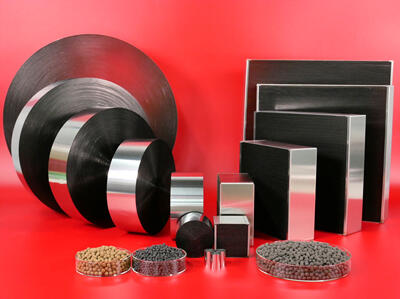
Exhaust gas purification catalyst is a device that purifies exhaust gas that may be harmful by decomposing it into water and carbon dioxide. It uses precious metals such as platinum and palladium as a substrate and forms a honeycomb structure. When exhaust gas that may be harmful passes through these materials, it is purified through a chemical reaction8.
5 Business Insider “What Role Does TANAKA Play in the Automotive Industry Amid the Shift to EVs?” November 15, 2021
6 Same as above
7 We are the Mighty「Hydrogen fuel cells could be the future of the military (and everyone else)」January 5, 2022
8 Business Insider「What are TANAKA's technological strengths behind its high-performance catalysts "Made in Japan" that contribute to the Chinese industry?」February 25, 2021
Securing the supply chain today and tomorrow
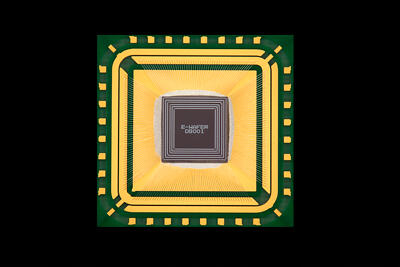
The recent shortage of semiconductor chips has increased the need for technology providers to build strong relationships with suppliers and develop solutions with price, availability, and sustainability in mind. TANAKA aims to establish a supply chain network and material solutions to achieve continuous innovation in the industry.
This includes comprehensive solutions that cover the entire resource cycle from procurement to processing and recycling.
Diverse Solutions
TANAKA has specialized knowledge and products based on the following eight precious metal elements.- platinum
- gold
- silver
- palladium
- rhodium
- iridium
- ruthenium
- Osmium


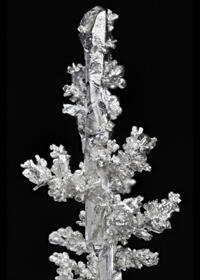


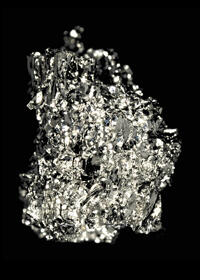

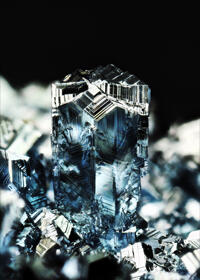
Photo: Ryoji Tanaka PRECIOUS METAL LIBRARY
TANAKA has established a global network to ensure a continuous supply of materials from around the world. At the same time, expertise in research and development, including recent awards and initiatives related to fuel cell catalysts, is crucial for the introduction of new technologies into the market.
Specialized knowledge and security in recycling
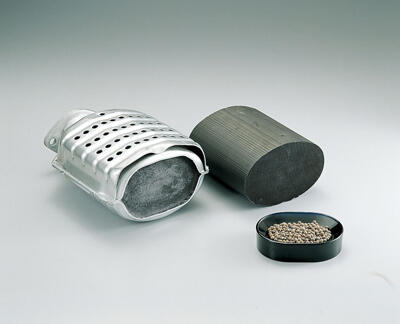
TANAKA will continue to grow its recycling business. One example is the refining of platinum and palladium from recovered automotive exhaust gas purification catalysts. The refined precious metals are then used as materials to create new products, which are then recycled. This level of recycling requires a high level of technical expertise and trust. TANAKA is sensitive to the nature of e-scrap, which has a high degree of confidentiality. It understands that urban mines are "bundles of secrets" filled with valuable intellectual property. To ensure confidentiality, it invests in the security of recovered materials.

As technology advances, it is expected that metal recycling from urban mines will become increasingly difficult. However, our strength lies in the collaboration among the Group's business segments, which can place recycling at the center of their strategies. TANAKA is one of the few manufacturers in the world involved in refining and materials development through recycling. Our Research and Development Division keeps track of trends in alloy and other material development to ensure that the introduction of next-generation precious metals and methods for recovering materials can always be prioritized. We also have technologies for refining platinum group metals, which are considered difficult to recycle.
TANAKA combines three aspects—analytical capabilities, refining technologies and processing methods, and product diversity—that are key to the success of precious metal recycling to provide sustainable and cost-effective solutions that contribute to the automotive industry both today and in the future.
Other Reference Information

What has been revealed from consumer surveys on EVs and their implications for manufacturers.
The Future of Automotive and Precious Metal Materials: Trust

How precious metals contribute to improving the comfort and safety of vehicles.
Precious Metal Materials and the Future of Automobiles: Environmental Edition

How precious metals are used in automobiles as environmental regulations become stricter.
The original article is reprinted from the English version of IndustryWeek, published by Endeavor Business Media, LLC. Translations of this material into languages other than English are provided solely for the convenience of those who do not speak English, and such translations may not necessarily be accurate. Endeavor Business Media, LLC shall not be held responsible for any errors, omissions, or ambiguities in the translations. Individuals or organizations that rely on translated content do so at their own risk.
How was this article?
If you found this helpful, please share it.


