

TANAKA's New Survey Analyzing the Future of EVs Based on Insights from Potential Buyers
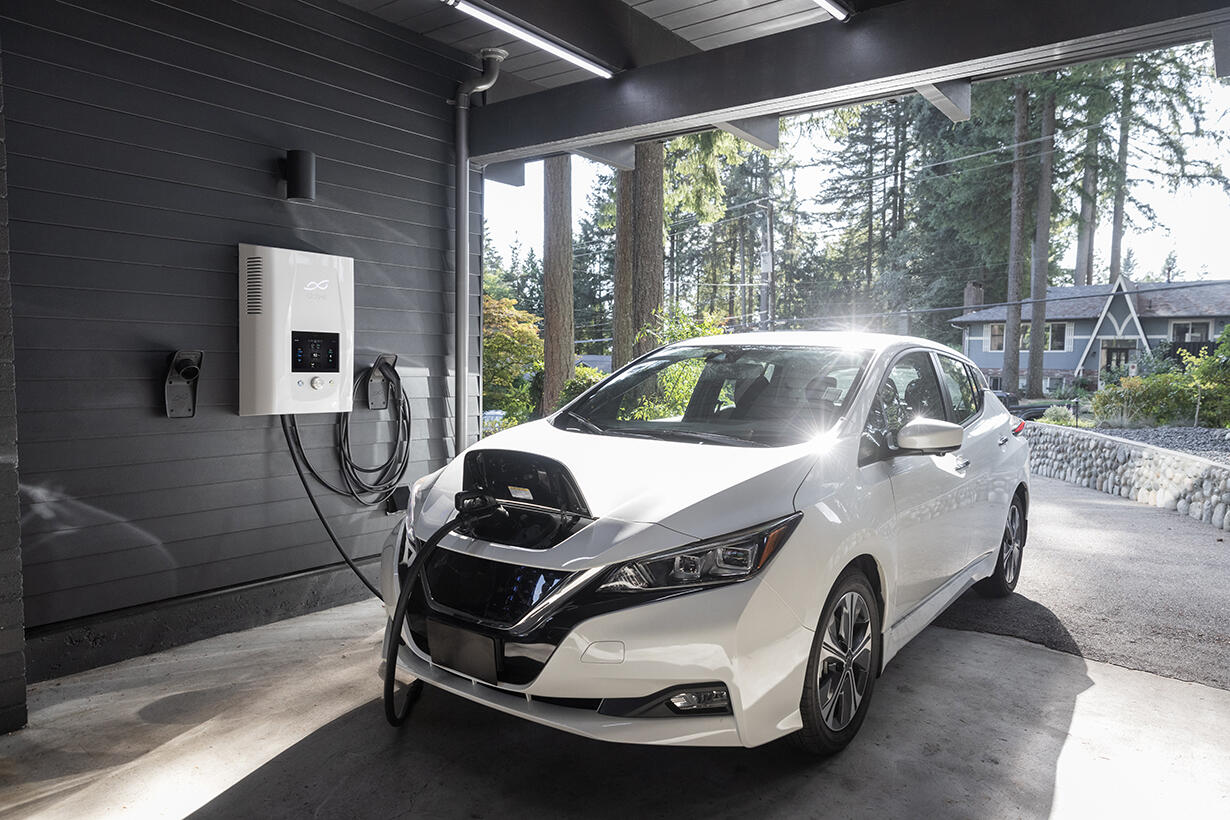
The U.S. is experiencing an EV boom. EV maker Tesla, headquartered in Austin, Texas, is the world's most valuable car company, while Rivian, based in Irvine, California, aims to disrupt the EV market with its electric truck fleet. Currently, approximately 1.8 million EVs are on the roads in the U.S., and in August, President Biden signed an executive order stating that by 2030, half of all cars sold in the U.S. will be electric.
This rapid growth presents manufacturers with a valuable opportunity to steer consumers toward EVs and make EVs the new standard for American drivers. However, this raises a question: What are consumers' true impressions of EVs? Additionally, what concerns do they have about purchasing vehicles amid supply chain issues, including the current shortage of automotive semiconductors?
Three findings from consumer surveys on EVs and their implications for manufacturers
To answer these questions and gain a deeper understanding of the future of EVs, we conducted a survey in December 2021 among 1,250 consumers in the United States regarding their values when purchasing a car and their general thoughts on EVs. The results are as follows.
1. More people considering purchasing EVs than those considering purchasing gasoline vehicles, and the number of potential buyers may increase further as prices decline.
Among the surveyed consumers, 60% said they are considering purchasing an EV within the next year, while 40% said they are considering purchasing a gasoline vehicle. This consumer sentiment reaffirms that EVs have rapidly proliferated over the past decade.
The biggest concern among consumers considering purchasing an EV in the next year is vehicle price (62% of respondents), followed by lack of charging stations in the area (44%) and the cost of installing an EV charging station at home (42%). Furthermore, concerns about vehicle price also applied to consumers who do not plan to purchase an EV in the next year. When asked about the reasons for not considering purchasing an EV, the most common response was "EVs are too expensive" (56%).
As consumers are becoming more price-conscious, the EV market may grow further if manufacturers are able to lower the retail prices of future models. If they can produce EVs at lower prices, they can generate revenue not only from consumers who are already seeking EVs but also from those who are currently outside the EV market.
2. Consumers intend to wait until they can purchase an EV, but the need for a car outweighs their desire to buy an EV.
41% of people considering purchasing an EV cite the current semiconductor shortage as one of their biggest concerns regarding EV purchases, but it does not appear to be a factor in postponing purchases. In fact, among consumers considering purchasing an EV in the next year, an astonishing 98% have said they would be willing to wait at least three months to purchase an EV due to the current semiconductor shortage.
How long do you think you can wait to purchase an EV due to the current semiconductor shortage?
- Up to 3 months: 17%
- Up to 6 months: 32%
- Up to 9 months: 21%
- Up to 12 months: 19%
- More than 12 months: 9%
- Can't wait: 2%
However, the personal needs of potential EV buyers ultimately take precedence over their willingness to purchase EVs. 89% of respondents indicated that they are more likely to purchase a gasoline vehicle if they have to wait longer than the period they indicated (in the previous question) that they would be willing to wait. The main reasons for settling on a gasoline vehicle are for family (60%) and for work (53%).
EV manufacturers need to consider ways to improve supply chain agility to reduce potential waiting times. Efforts such as dual sourcing from multiple suppliers and collaborating with partners with both domestic and overseas distribution capabilities can help streamline operations and minimize shipping delays.
3. The main reasons consumers want to purchase EVs are savings on fuel costs and environmental protection.
The top reasons for wanting to purchase an EV among those considering buying one were "fuel cost savings" (74%) and "using a more environmentally sustainable means of transport" (74%).
In addition, "the use of environmentally sustainable means of transport" was one of the priorities for those considering purchasing an EV who do not expect to purchase a gasoline vehicle even if they have to wait a long time due to the current semiconductor shortage. Among these respondents, 69% stated that the use of environmentally sustainable means of transport is important to them and that they do not expect to purchase a gasoline vehicle.
Consumers surveyed highly value EVs as a sustainable means of transportation, but the manufacturing process of EVs will also need to be made more sustainable. In another survey, 51% of consumers said they consider whether the place of production of a product is traceable and transparent when purchasing that product, and the environmental benefits of driving an EV may not be enough to attract all environmentally conscious consumers. In the future, the entire manufacturing process of EV manufacturers may become a more significant factor for consumers. It will be necessary to promote the recycling of precious metals used in EVs to make the supply chain more sustainable.
Toward the Future of EVs
With the rapid growth and innovation of electric vehicles (EVs) sweeping the industry, this is an exciting time for EVs. However, as the EV market evolves, it is becoming necessary to adjust operations to continue meeting consumer demands. Here, we introduce some of the services TANAKA offers to EV manufacturers.
- Comprehensive Recycling Program
TANAKA has implemented an integrated one-stop recycling system that extracts and refines precious metals from used metal scraps and reuses them in various industrial products, including new electric vehicles (EVs). TANAKA is a certified assayer of the London Bullion Market Association (LBMA), which has appointed only seven companies worldwide as accredited assayers. By carrying out appropriate recycling, TANAKA contributes to reducing the environmental impact that EV buyers consider important and ensuring a stable supply of precious metals. - Distribution Capabilities in Japan and Overseas
We have a total of 97 sites (factories, sales offices, etc.) in the Americas, Europe, and Asia. In the event of unforeseen circumstances, we will strive to ensure stable supply through our distribution capabilities in Japan and overseas to maintain the agility of our customers' supply chains and continue operations. - Developing Materials to Meet the Needs of EVs
TANAKA has been involved in the EV industry since early on and is always involved with its customers in the development of new technologies from the initial stages. We provide high-quality bonding wires to many automobile manufacturers, which are used for connecting lithium-ion batteries and in power semiconductors. We will continue to research and develop materials to meet the needs of future mobility.
TANAKA strives to provide a stable supply of precious metal materials through its global network and advanced recycling technologies, and we help our customers streamline their operations and achieve future growth.
How was this article?
If you found this helpful, please share it.


