

Carbon Recycling Catalyst (Carbon Dioxide-related Catalysts)
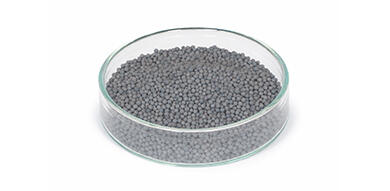
What is a "carbon recycling catalyst (Carbon Dioxide-related Catalysts)"?
CO2 is the cause of global warming 2 Not only "reducing" CO2 emissions, but also "recovering and reusing" them. 2 This is a group of precious metal catalyst products that contribute to carbon dioxide capture and utilization (CCU) technology. Applications include CO2 reforming, reverse shift reactions, methanation reactions, and more. 2 We offer a variety of catalysts to suit various applications for resource recovery.
TANAKA's Carbon Recycling Catalysts (Carbon Dioxide-related Catalysts)
TANAKA will promote carbon recycling (utilization of CO2) by developing and providing methanation catalysts that produce methane, a fuel, from CO2, as well as carbon dioxide reforming catalysts and reverse shift catalysts that produce CO and hydrogen, which are chemical raw materials.
Product Lineup
| Product name | Reaction Type | Product Type |
|---|---|---|
| Steam reforming catalyst | CH 4 + H 2 O → 3H 2 + CO (endothermic reaction) |
TRC10 TRC413 |
| CO-Selective Oxidation Catalyst | CO + 1/2O 2 → CO 2 (exothermic reaction) |
TSSA-5 |
| Water Gas Shift Catalyst | CO + H 2 O → CO 2 + H 2 (exothermic reaction) |
TSC30A |
| Methane Combustion Catalyst | CH 4 + 2O 2 → CO 2 + 2H 2 O (exothermic reaction) |
CC31 Developed Product |
| CO 2 Reforming Catalyst | CO 2 + CH 4 → 2CO + 2H 2 (Endothermic reaction) |
TRC10 TRC40A |
| Methanation Catalysts | CO 2 + 4H 2 → CH 4 + 2H 2 O (exothermic reaction) |
TRC10 |
| Reverse Water Gas Shift Catalyst | CO 2 + H 2 → CO + 2H 2 O (endothermic reaction) |
TRS30A |
| Ammonia Purification Catalyst | 4NH 3 + 3O 2 → 2N 2 + 6H 2 O (exothermic reaction) |
APC1 |
| Ammonia Reforming Catalyst | 2NH 3 → N 2 + 3H 2 (endothermic reaction) |
TRC10-GA |
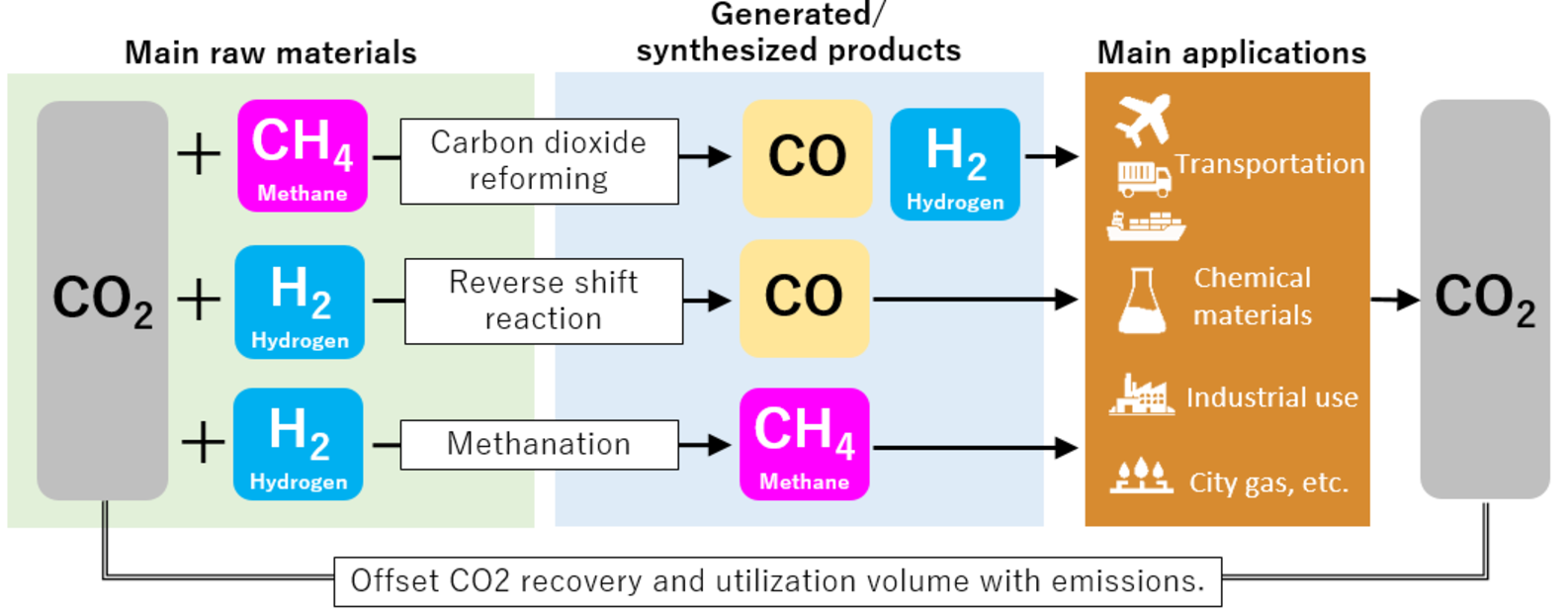
Overview of Carbon Recycling Catalysts (Carbon Dioxide-related Catalysts)
Features
- Uses ruthenium, platinum, and rhodium to meet various catalyst needs
- High durability from use of precious metals
- High catalytic activity can be maintained even with low precious metal content, enabling the supply of catalysts at low cost
Main product lineup
| Reaction | Product name | Precious metals | Particle size (sieve sorting) |
|---|---|---|---|
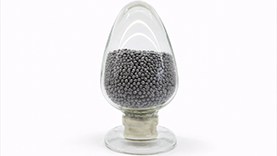
| Carbon dioxide reforming (H2O) | TRC10 Series | Ru | Φ approx. 2mm |
| Carbon dioxide reforming reaction (O2) | TRC40 Series | Rh | Φ approx. 2mm |
| Reverse shift reaction | TRS30 Series | Pt | Φ approx. 2mm |
| Methanation reaction | TRC10 Series | Ru | Φ approx. 2mm |
- We request for the signing of a Non-Disclosure Agreement (NDA) when providing samples and information such as precious metal content.
- We also accept consultations regarding the prototyping and made-to-order production of customized catalysts to meet customer requests.
Carbon Dioxide Gas Reforming Catalyst (H2O)
These catalysts help to generate hydrogen (H2) and carbon monoxide (CO), which are used as raw materials for chemicals and fuels, from carbon dioxide (CO2) and methane (CH4)
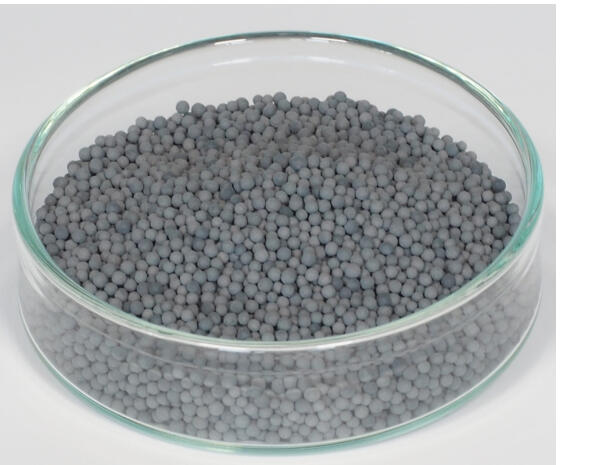
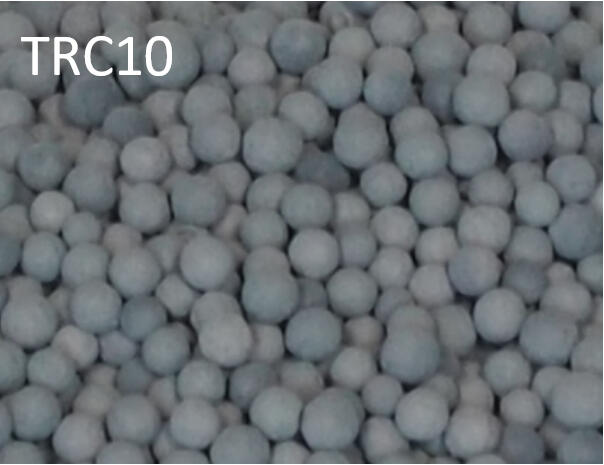
Characteristics of Carbon Dioxide Reforming Catalysts
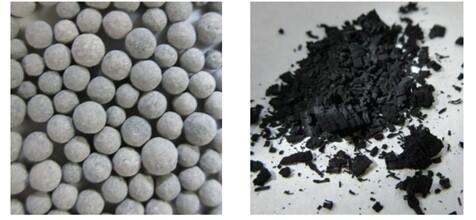
TRC10〔Ru〕
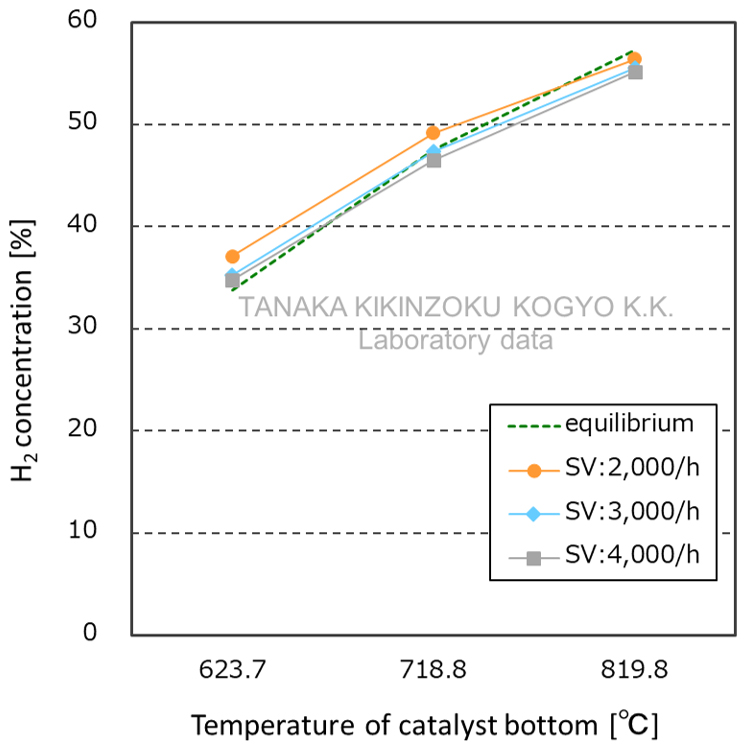
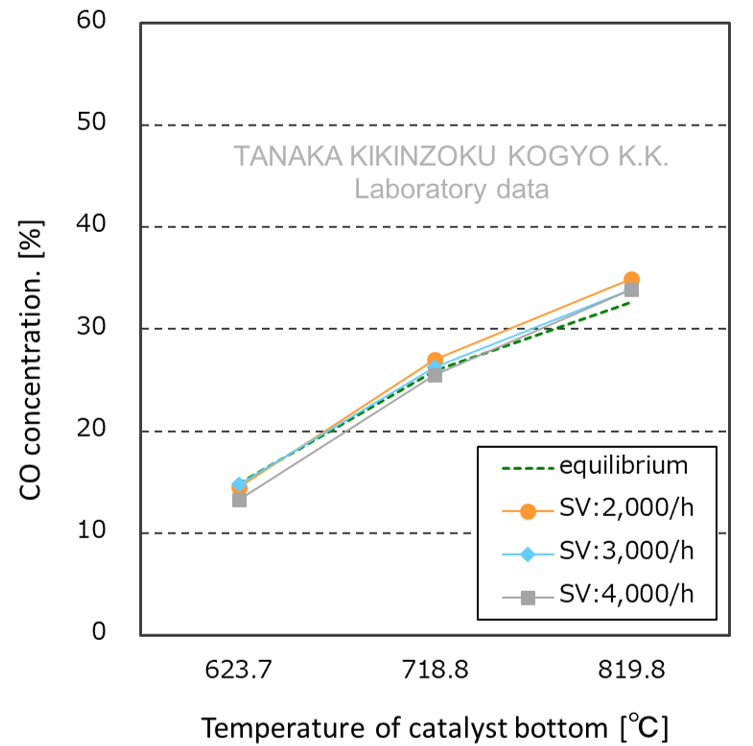
| Item | Value (Unit) |
|---|---|
| CO2/(CO2+CH4) | 30.00% |
| SV (wet) | 2,000 – 4,000 /h |
| S/C | 0.4 |
| Pressure | 0.3MPa(G) |
- *Reference data from laboratory tests.
- *Data is provided as a guideline since it may vary depending on the evaluation conditions, preparation conditions, and operating environment of the catalyst.
Carbon Dioxide Gas Reforming Catalyst (O2)
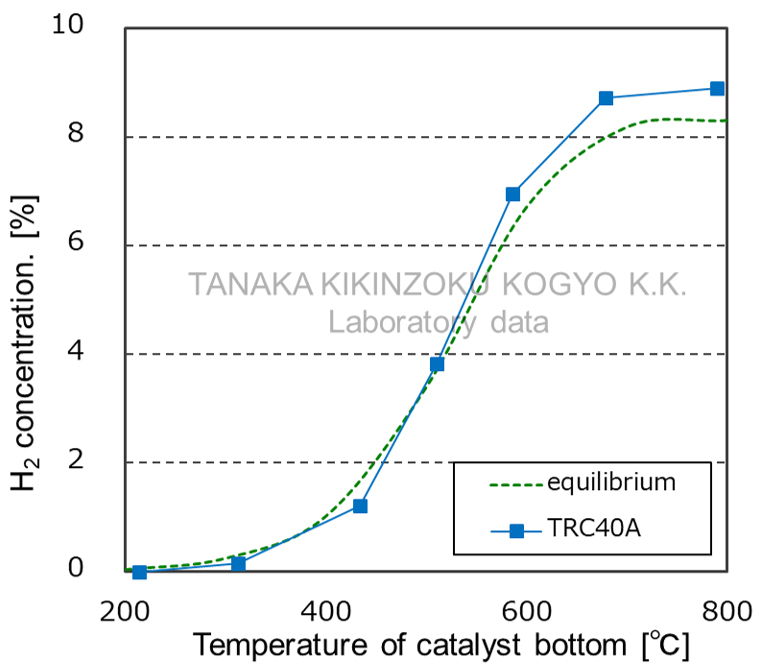
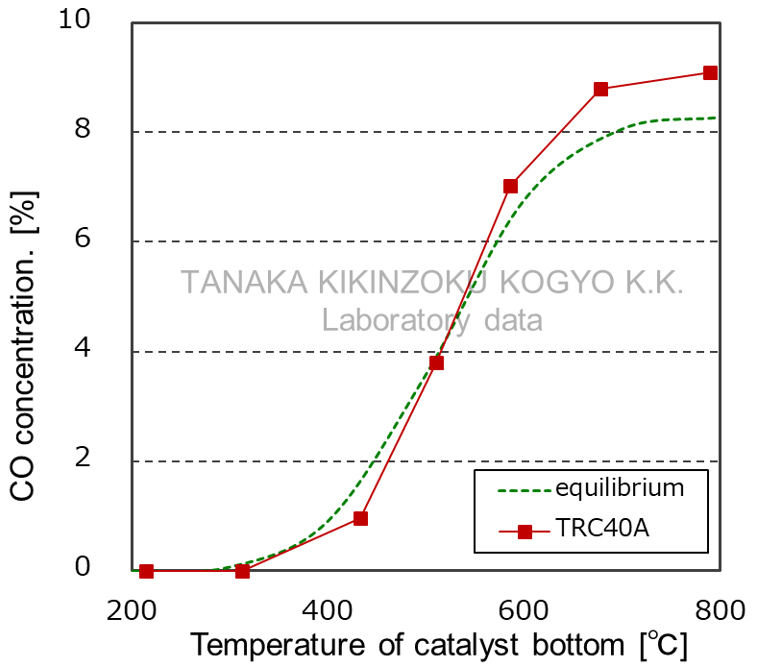
Catalysts to generate hydrogen (H2) and carbon monoxide (CO) from carbon dioxide (CO2) and methane (CH4), which are used as raw materials for chemicals and fuels.
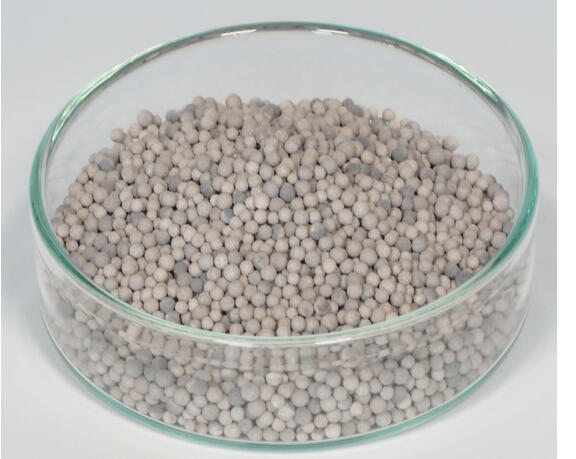
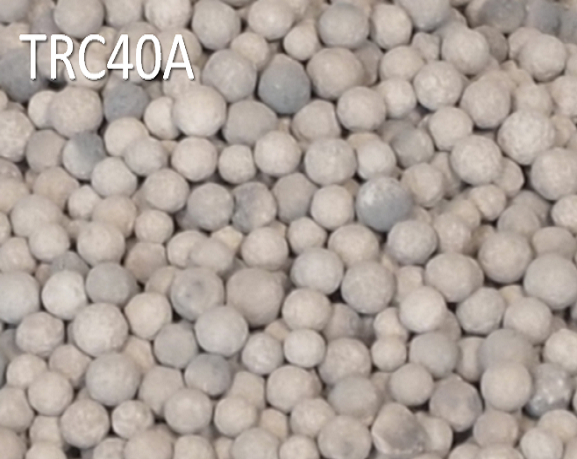
Characteristics of Carbon Dioxide Reforming Catalysts
TRC40〔Rh〕
| Item | Value (Unit) |
|---|---|
| CH4 | 4.76% |
| CO2 | 4.76% |
| O2/CO2 | 0.1 |
| SV | 12,000 /h |
| Pressure | Normal pressure |
- *Reference data from laboratory tests.
- *Data is provided as a guideline since it may vary depending on the evaluation conditions, preparation conditions, and operating environment of the catalyst.
Reverse Shift Catalyst
Generating CO from carbon dioxide (CO2) and hydrogen (H2), which are used as raw materials for chemicals and fuels.
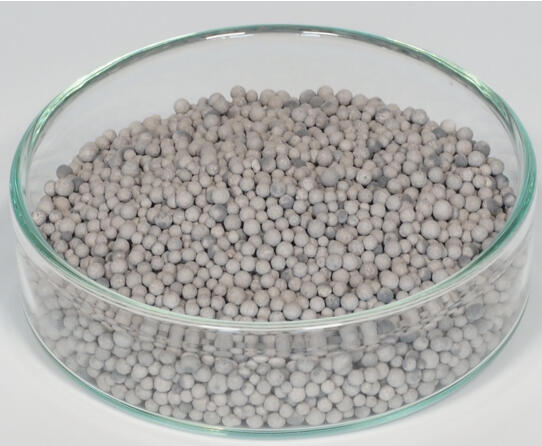
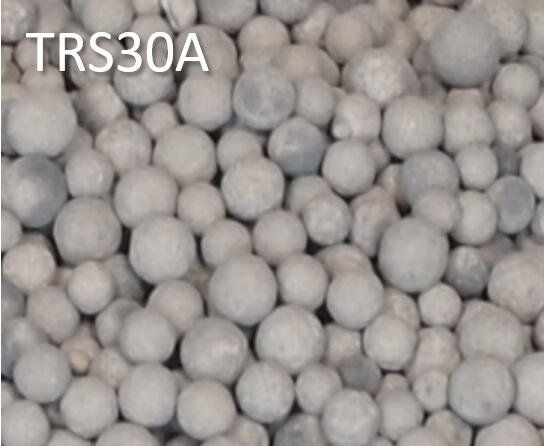
Reaction Characteristics of Reverse Shift Catalyst
TRS30A Series〔Pt〕
| Item | Value (Unit) |
|---|---|
| CO2 | 5% |
| H2 | 5% |
| SV (wet) | 4,800 /h |
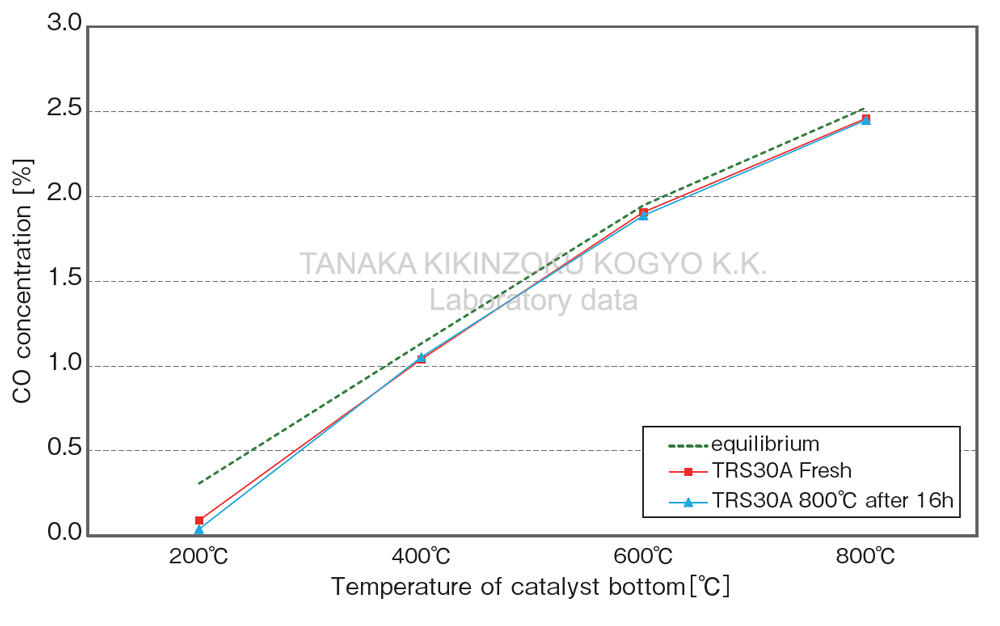
- *Reference data from laboratory tests.
- *Data is provided as a guideline since it may vary depending on the evaluation conditions, preparation conditions, and operating environment of the catalyst.
Methanation Catalysts
Synthesis of methane (CH4), which is used as a raw material for city gas, from carbon dioxide (CO2)—a substance that causes global warming—and hydrogen (H2)
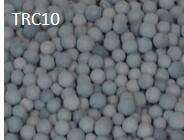
Reaction characteristics of Methanation Catalyst
TRC10〔Ru〕
| Item | Value (Unit) |
|---|---|
| H2 | 75.8% |
| N2 | 5.2% |
| CO2 | 19.0% |
| GHSV(h-1) | 3,000~9,000 /h |
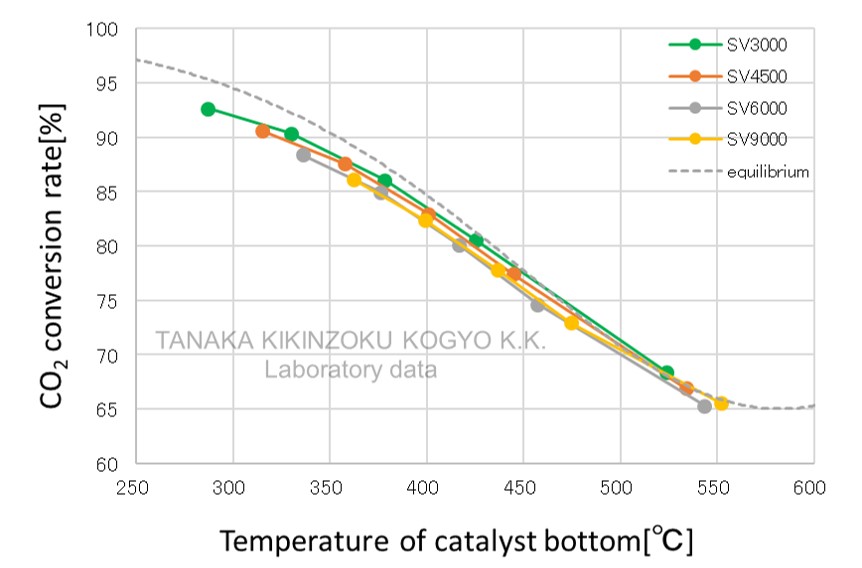
- *Reference data from laboratory tests.
- *Data is provided as a guideline since it may vary depending on the evaluation conditions, preparation conditions, and operating environment of the catalyst.
Methane Combustion Catalyst

It can remove trace amounts of methane from engine exhaust and other sources.
In addition, it can maintain performance even in the presence of sulfur in the gas.
Features
- Allows methane combustion at relatively low temperatures
- Reduces performance degradation due to sulfur poisoning by enhancing sulfur resistance
Main product lineup
| Product name | Precious metals | Weight of Precious Metal | Shape | Features |
|---|---|---|---|---|
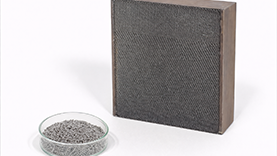
| MOC1-30 | Pt | 10 and 12 g/L | Honeycomb | Improved resistance to sulfur |
- We request for the signing of a Non-Disclosure Agreement (NDA) when providing samples and information such as precious metal content.
- We also accept consultations regarding the prototyping and made-to-order production of customized catalysts to meet customer requests.
Characteristics of Methane Oxidation Reaction
MOC1-30〔Pt〕
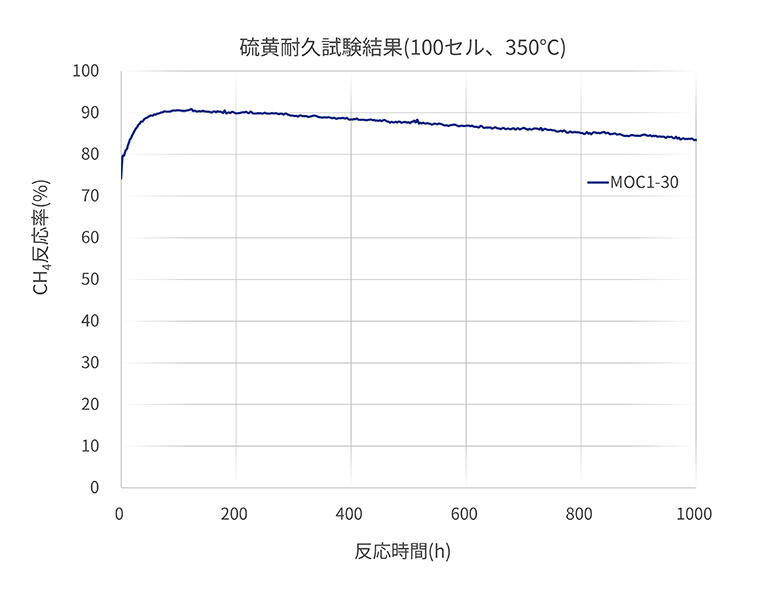
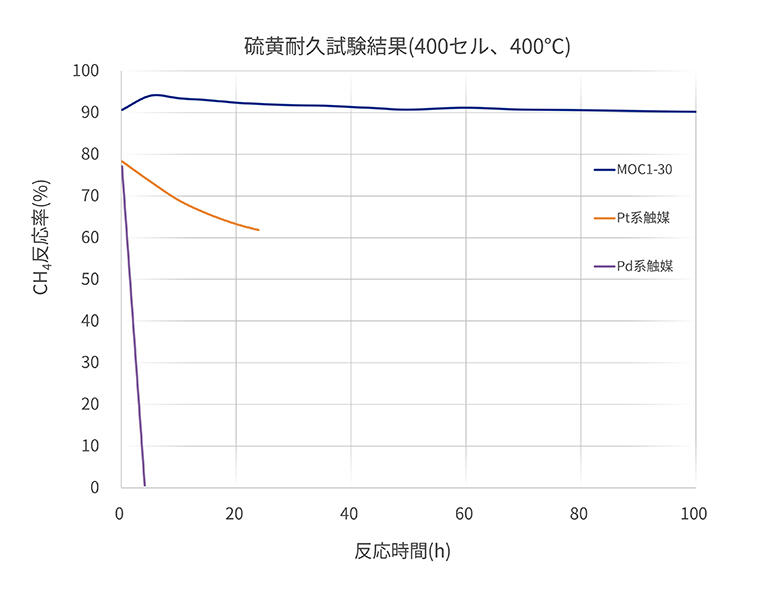
| Item | Value (Unit) |
|---|---|
| CH4 | 2,000 ppm |
| O2 | 10% |
| H2O | 10% |
| SV | 25,000 /h |
| SO 2 | 1 ppm |
| Item | Value (Unit) |
|---|---|
| CH4 | 2,000 ppm |
| O2 | 10% |
| H2O | 10% |
| SV | 100,000 /h |
| SO 2 | 3 ppm |
It maintains its performance even during methane oxidation containing sulfur.
- *Reference data from laboratory tests.
- *Data is provided as a guideline since it may vary depending on the evaluation conditions, preparation conditions, and operating environment of the catalyst.
Related Information



First, please make an Inquiry about the product.
For any questions regarding product specifications, pricing, delivery times, etc., please feel free to Inquiry here.