

Scaling the hydrogen economy: Why precious metals still matter—and how to use them effectively
引用元:ESG Dive
日 付:2026年10月12日
著 者:Torsten W. Buennagel博士(田中貴金属工業株式会社 燃料電池マネージャー)
リンク:Scaling the hydrogen economy: Why precious metals still matter—and how to use them effectively
水素技術が産業規模の導入へと向かう中、システム内部の材料には、希少な資源をより効率的に使いながら、より長い稼働期間でより多くの性能を発揮することが求められている。ここに水素経済にとって重要な課題がある。貴金属の使用量を減らすことは重要だが、使う量を減らすことが、必ずしもより効率的に使うことを意味するわけではない。より本質的な問いは、システムに必要な貴金属からどれだけの性能と稼働寿命を引き出せるか、そしてそれらの金属を最終的にどのように回収し、再び生産的な用途に戻せるか、である。
水素は長らく、直接の電化が難しい分野を脱炭素化する手段として期待されてきた。いま求められているのは、実証や初期の商用利用の段階から、産業規模での信頼性が高く経済的に成り立つ導入へと移行することである。
市場は成長しているが、商用化はまだ限定的だ。国際エネルギー機関(IEA)によると、2025年の世界の水素需要は1億トンを超えた一方、低排出水素の生産量は約100万トンにとどまった。それでも同年、水電解装置の導入容量は倍増して4ギガワットを超えており、移行の勢いと、なお必要とされる規模の大きさの両方を示している。
しかし、水素のスケールアップは、単に水電解装置や燃料電池を増やせば済む話ではない。そこには材料の課題も伴う。多くの水素技術は、有限で高価、場合によっては産出地が地理的に偏在している貴金属に依存しているからだ。
水素の製造、精製、利用は、それぞれ触媒や部材にまったく異なる要求を課す。材料メーカーにとってこれは、触媒性能だけでなく、稼働期間を通じて貴金属がどれだけ有効に使われるか、そして使用後にそれらの金属がどうなるかまで考慮することを意味する。
したがって目標は、単に貴金属の含有量を最小化することではない。ライフサイクル全体を通じて、これらの材料からより大きな価値を引き出すことである。
それでも貴金属が不可欠な理由
貴金属が複数の水素技術で重要であり続けているのは、過酷な運転条件下では代替材料がその性能に匹敵するのが難しいためである。その触媒機能や機能特性は、化学的に厳しい環境で高い活性を維持しなければならない場面で、とりわけ大きな価値を発揮する。
白金(Pt)は燃料電池や水電解における電気化学反応を支える。イリジウム(Ir)は固体高分子形(PEM)水電解、とりわけアノードの強い酸化条件下で重要な役割を担う。パラジウム(Pd)は水素を選択的に透過させ、他のガスからの分離を可能にする。またルテニウム(Ru)やロジウム(Rh)は、水素製造やガス処理の反応を支えることができる。
水素の導入が拡大するにつれ、貴金属のコストと希少性から、より効率的な使用が欠かせなくなる。たとえば米国エネルギー省(DOE)は、PEM水電解装置に含まれる白金族金属(PGM)の多くをイリジウムが占めていると指摘している。DOEは、性能と耐久性を維持しながらPGMの総担持量を大幅に削減することを求める目標を定めている。IEAもまた、重要鉱物の使用原単位の削減を、水電解装置のイノベーションにおける重要な領域として挙げている。
したがって、いくつかの重要な水素技術において、業界が材料の使用原単位の削減に取り組む中でも、貴金属は引き続き重要であり続ける可能性が高い。田中貴金属は、材料の開発・製造と回収・精製を結び付け、貴金属のライフサイクル全体でこの課題に取り組んでいる。これにより、触媒性能を、資源の効率的な利用や、貴重な金属を生産に戻す可能性とあわせて検討することができる。
製造から利用まで、それぞれの課題に取り組む
貴金属を効率的に使うことが実際に何を意味するかは、水素バリューチェーンの段階によって異なる。
製造
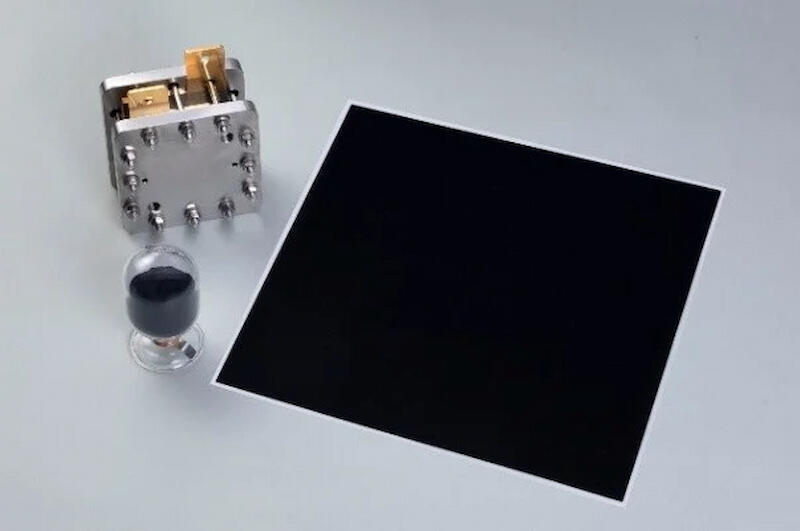
PEM水電解は、2つの過酷な電気化学反応を支える触媒に依存している。Pt系のカソード触媒が水素発生反応(HER)を、Ir系のアノード触媒が酸素発生反応(OER)を支える。
アノードでは、強い酸化性の電気化学条件が触媒材料に厳しい要求を課す。Irはこうした条件下で必要な触媒性能と耐食性を備えるが、同時にPGMの中でも最も希少な金属の一つでもある。そのため、Irの利用率向上はエンジニアリング上の重要な優先課題となっている。
先進的な触媒設計によって、反応に有効に寄与するIrの量を増やすことができる。たとえば比表面積の拡大や質量活性の向上は、システムに必要な活性と耐久性を保ちながらIrの担持量を減らす助けとなる。田中貴金属は、この目的に沿って高比表面積の水電解用触媒を開発している。
「目的は、単に貴金属の使用量を減らすことではない。システムに求められる性能と耐久性を保ちながら、材料をより有効に使うことだ。担持量を下げることに価値が生まれるのは、触媒がシステムに必要な活性と耐久性を発揮し続ける場合に限られる」と、田中貴金属工業株式会社 燃料電池マネージャーのTorsten W. Buennagel博士は語る。
移行期には、水素は今後も複数の経路で製造され、それぞれに異なる触媒要件が生じる。Ru系やRh系の触媒は炭化水素からの水素製造を支え、変成触媒や選択酸化(PROX)触媒は水素収率を高め、水素ガス中に残る一酸化炭素(CO)を低減することができる。
精製
さまざまなプロセスで製造された水素には、下流での特定の用途に使う前に除去しなければならない他のガスや不純物が含まれていることがある。
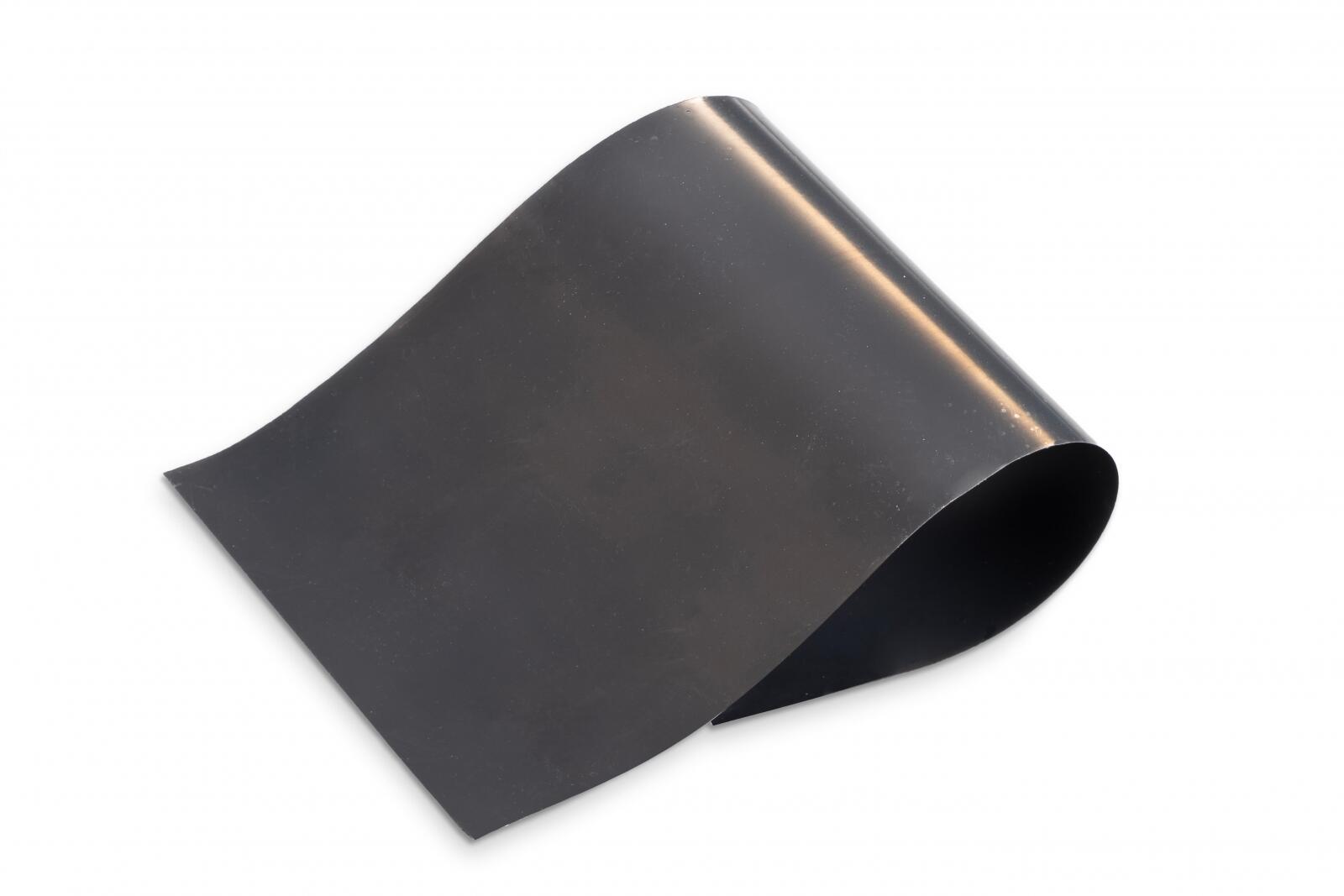
パラジウムは、他のガスを遮断しながら、水素だけを選択的に膜を透過させる。そのためパラジウム合金膜は、高純度水素の製造に有用である。材料開発が続くことで、こうしたシステムで利用できる運転条件の幅も広がっている。
たとえば田中貴金属は、低い運転温度で高い水素透過性能を実現するよう設計されたパラジウム合金膜技術を開発している。
利用
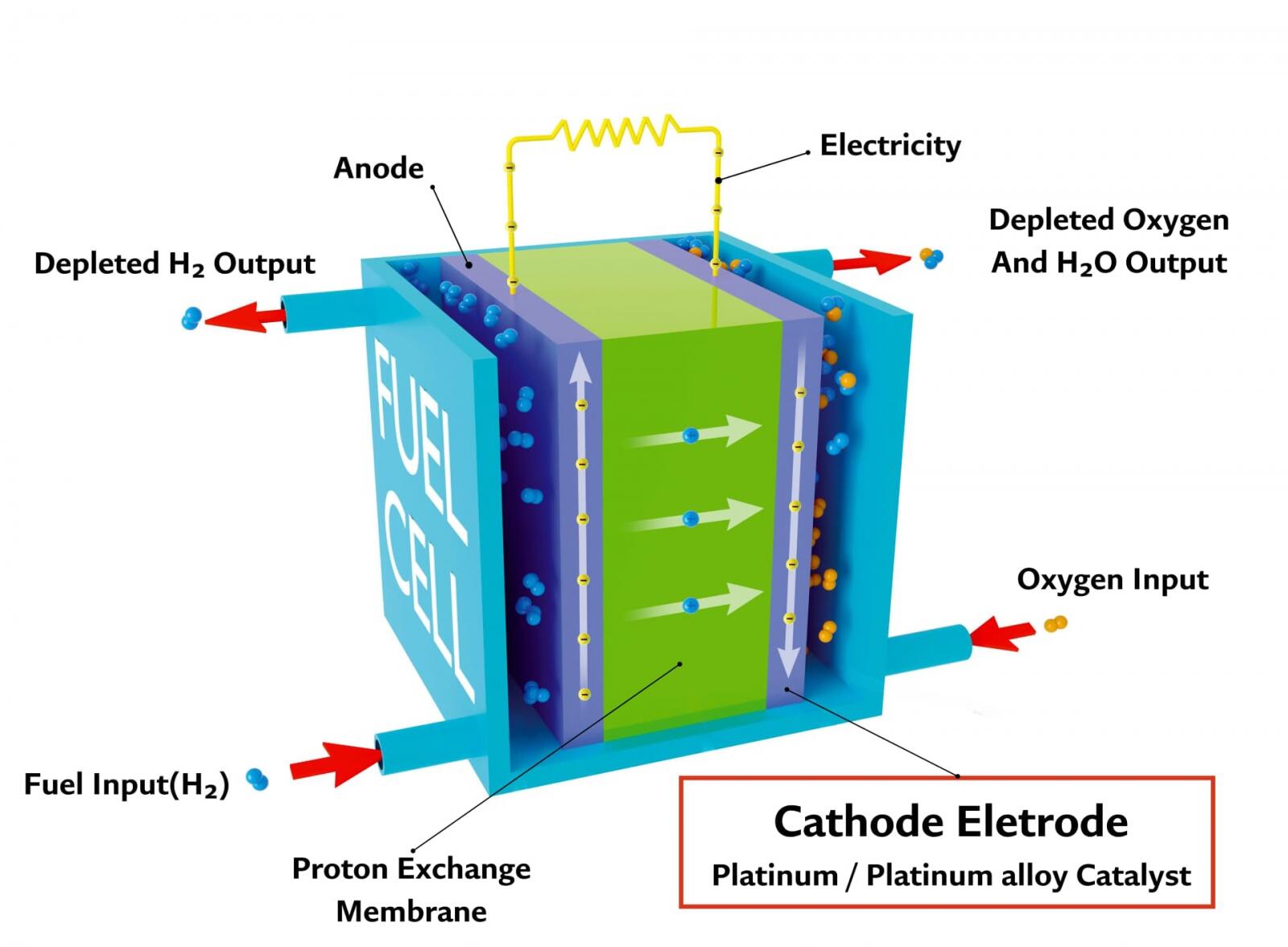
固体高分子形燃料電池(PEFC)は、プロトン交換膜燃料電池(PEMFC)とも呼ばれ、高い活性と長期耐久性を兼ね備えた電極触媒に依存している。
PEFCは比較的低い温度で運転されるため、実用的な反応速度を得るには高活性な触媒が必要となる。触媒性能と耐久性の組み合わせを代替材料で再現することは依然として難しく、PtおよびPt合金触媒は今も重要な存在である。
ここでもまた、金属の含有量を減らすことはエンジニアリング課題の一部にすぎない。粒子径、分散性、比表面積、触媒と担体の相互作用、電極設計のすべてが、Ptがどれだけ有効に反応に寄与するかに影響する。
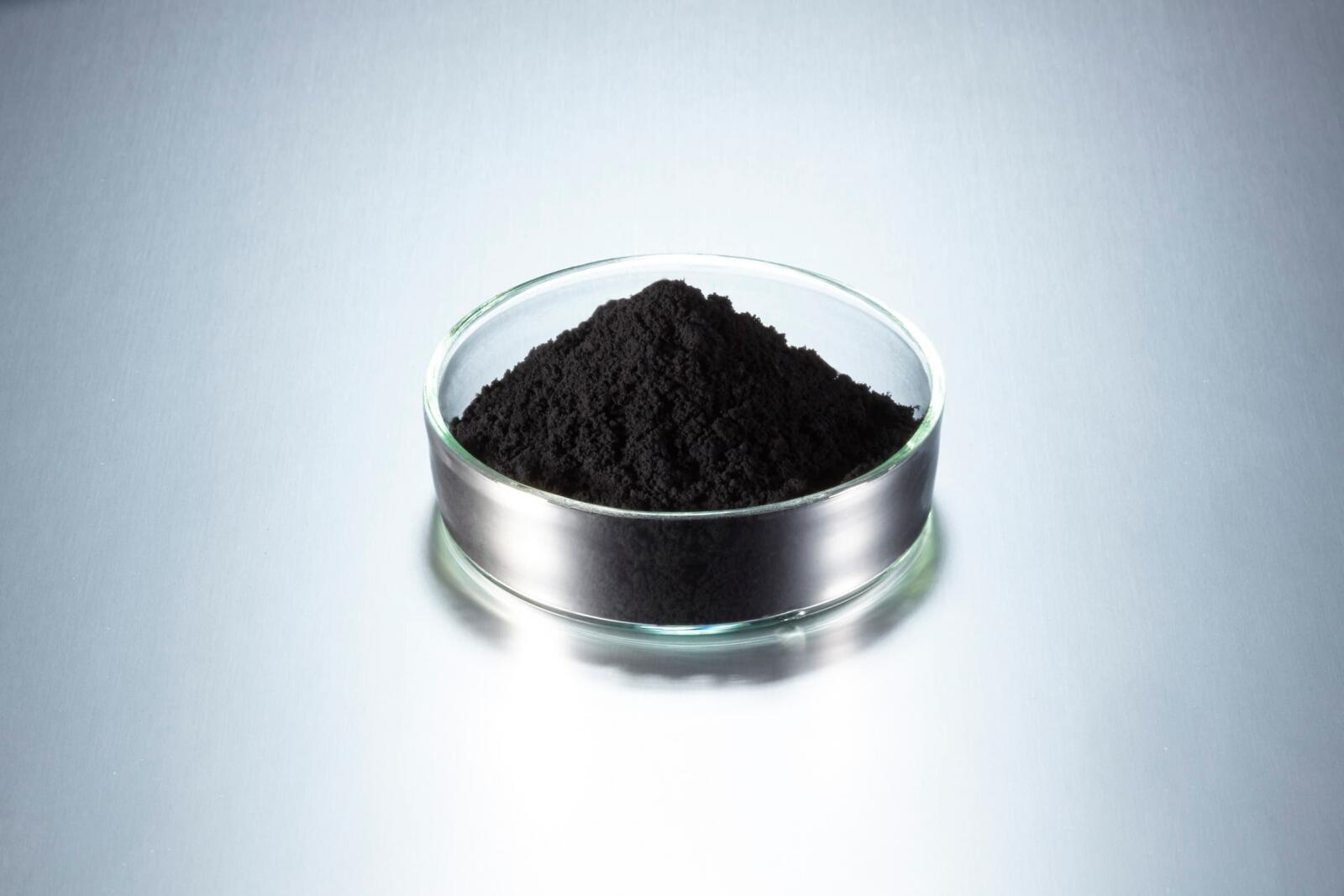
田中貴金属は1985年からPEFC用電極触媒を開発してきた。その取り組みには、カーボン上へのPt合金の均一分散も含まれており、単純に貴金属の担持量を増やすことなく、触媒設計によって材料の利用率を高められることを示している。
性能から「材料生産性」へ
水素技術が産業規模へと移行するにつれ、金属の担持量だけでは資源効率の全体像を捉えきれなくなる。より有用な考え方が「材料生産性」、すなわち、ある機能を実現するために必要な貴金属から、どれだけの有用な性能と稼働寿命を得られるか、という概念である。
材料生産性は、金属の担持量だけで決まるものではない。製造性、運転効率、想定される使用寿命もまた、触媒からどれだけの価値が得られるかを左右する。担持量を下げても、それが劣化の加速、システム効率の低下、部材交換の頻度増加につながるなら、得られるメリットは限られる。
したがって、貴金属を効率的に使うことは、必ずしもその量を最小化することを意味しない。重要な尺度は、想定する稼働期間にわたって求められる性能を維持できるかどうかである。触媒の構造と分散性は金属がどれだけ有効に使われるかに影響し、安定性と製造の均一性は、その性能がどれだけ保たれるかを決める。
循環は使用済みになる前から始まる
材料生産性は、触媒や部材が最初の使用寿命を迎えた時点で終わるわけでもない。責任ある貴金属管理は、一つの部材に使われる量だけにとどまらない。循環は、適切な担持量と的を絞った適用によって開発段階から始まり、ばらつきと廃棄物を抑えることで製造段階へと続いていく。部材の長寿命化は交換を先送りし、材料が寿命を迎えた後は、回収・精製によって貴重な金属を製造に戻すことができる。
供給の動向もまた、材料の入手可能性の重要性を浮き彫りにしている。米国地質調査所(USGS)によると、南アフリカの白金族金属の生産量は2025年に推定9%減少しており、同所は採掘コストや電力供給の途絶などを要因に挙げている。こうした状況を背景に、循環は環境目標だけでなく、資源安全保障にとっても意味を持つようになっている。欧州委員会共同研究センター(JRC)の2025年の調査では、イリジウムに特化した回収の拡大と、分解しやすい製品設計が、水素技術のバリューチェーンを強化しうる戦略として挙げられた。米国エネルギー省も、水電解装置と燃料電池からの材料の回収・再利用に取り組むコンソーシアムに5,000万ドルを拠出することを決めている。こうした動きは、循環が廃棄物削減のためだけでなく、長期的な材料の入手可能性と供給の強靭性のためにも重要であることを示している。
「貴金属は、ライフサイクル全体で考える必要がある。どれだけ効率的に使うかを改善することは課題の一部であり、その生産的な寿命を延ばし、再利用のために回収することも同じくらい重要だ」とBuennagel博士は述べた。田中貴金属の産業用貴金属事業は、調達と材料開発を、製造、回収・精製と結び付けている。回収・精製された貴金属は製造に戻すことができ、製品のライフサイクル全体にわたって、材料開発と資源循環をつなげている。
スケールを見据えた水素システムの構築
水素のスケールアップには、コストの低減、より強固なサプライチェーン、そして限られた貴重な資源をライフサイクル全体でより生産的に使うことが必要となる。
水素経済の次の段階は、より多くの水素システムを生産することだけでなく、その内部の材料からより多くの性能とより長い寿命を引き出せるかにかかっている。貴金属にとってそれは、触媒の開発・製造を回収・精製と結び付け、ライフサイクル全体で貴金属をより有効に活用することを意味する。
Hydrogen Technology World Expo 2026に出展
田中貴金属は「Hydrogen Technology World Expo 2026」(2026年10月20日〜22日、ドイツ・ハンブルク Hamburg Messe、Hall B7、Booth 7J54)において、水素の製造・精製・利用と貴金属の循環を支える貴金属技術を紹介する。
水素の製造・精製・利用と循環を支える田中貴金属の貴金属技術については、カーボンニュートラルに貢献する貴金属の役割をご覧いただきたい。
製品に関するお問い合わせは、田中貴金属の産業用貴金属チームまで:産業用製品に関するお問い合わせ
著者紹介
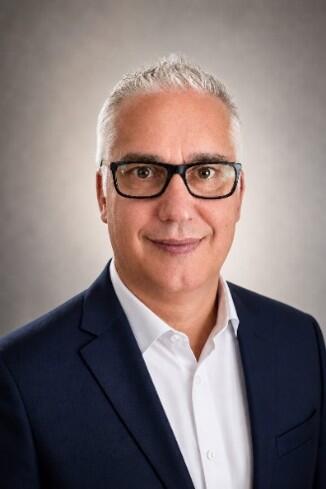
Torsten W. Buennagel博士
田中貴金属工業株式会社 燃料電池マネージャー
Torsten W. Buennagel博士は、田中貴金属の燃料電池マネージャーであり、田中貴金属工業株式会社と、田中貴金属のグループ会社であるMetalor Technologies SAの双方にまたがる業務を担当している。貴金属触媒の分野で15年以上の経験を持ち、燃料電池用・水電解用触媒の事業開発を主導。顧客や業界パートナーと連携しながら、水素技術の商用化と、循環型の貴金属バリューチェーンの構築を支援している。ヴッパータール大学で高分子化学の博士号を取得。
※編集者注:貴金属とは、金(Au)、銀(Ag)、白金(Pt)、パラジウム(Pd)、イリジウム(Ir)、ロジウム(Rh)、ルテニウム(Ru)、オスミウム(Os)の8元素を指す。
【記事引用元】Scaling the hydrogen economy: Why precious metals still matter—and how to use them effectively
本記事は、許可を得て、田中貴金属が翻訳・掲載しました。
関連情報


Source: ESG Dive
Date: October 12, 2026
Author: Dr. Torsten W. Buennagel (Fuel Cell Manager, TANAKA PRECIOUS METAL TECHNOLOGIES Co., Ltd.)
Link: Scaling the hydrogen economy: Why precious metals still matter—and how to use them effectively
As hydrogen technologies move toward industrial deployment, the materials inside these systems must deliver more over a longer operating life while making increasingly efficient use of scarce resources. This creates an important challenge for the hydrogen economy: reducing precious-metal use is important, but using less material does not necessarily mean using it more efficiently. The more relevant question is how much performance, and operating life can be obtained from the precious metals required by the system—and how those metals can ultimately be recovered and returned to productive use.
Hydrogen has long held promise as a tool for decarbonizing sectors where direct electrification can be difficult. The challenge now is to move from demonstration and early commercial applications toward reliable, economically viable deployment at industrial scale.
The market is growing, but commercialization remains limited. Global hydrogen demand surpassed 100 million metric tons in 2025, according to the International Energy Agency (IEA), while low-emissions hydrogen production remained at about one million metric tons. Installed electrolysis capacity nevertheless doubled during the year to more than four gigawatts, illustrating both the momentum and the scale of the transition still required.
Yet scaling hydrogen is not simply a question of installing more electrolyzers or fuel cells. It also raises a materials challenge. Many hydrogen technologies depend on precious metals that are finite, costly and, in some cases, geographically concentrated.
Hydrogen production, purification and utilization place very different demands on catalysts and components. For materials providers, this means considering not only catalyst performance, but also how effectively precious metals are used over their operating life and what happens to those metals after service.
The objective, therefore, is not simply to minimize precious-metal content. It is to obtain greater value from these materials throughout their lifecycle.
Why precious metals are still essential
Precious metals remain important to several hydrogen technologies because alternative materials can struggle to match their performance under demanding operating conditions. Their catalytic and functional properties are particularly valuable where high activity must be sustained in chemically aggressive environments.
Platinum (Pt) supports electrochemical reactions in fuel cells and water electrolysis. Iridium (Ir) is important to polymer electrolyte membrane (PEM) water electrolysis, particularly under the highly oxidative conditions at the anode. Palladium (Pd) selectively permeates hydrogen, enabling separation from other gases, while ruthenium (Ru) and rhodium (Rh) can support hydrogen-production and gas-processing reactions.
As hydrogen deployment expands, the cost and scarcity of precious metals make more efficient use essential. For instance, the U.S. Department of Energy notes that iridium accounts for much of the platinum group metals (PGMs) content in PEM electrolyzers. DOE has established targets that call for substantial reductions in total PGM loading while maintaining performance and durability. The IEA has also identified reducing critical-material intensity as an important area of electrolyzer innovation.
For several critical hydrogen technologies, precious metals are therefore likely to remain important even as the industry works to reduce material intensity. TANAKA approaches this challenge across the precious-metal lifecycle, connecting materials development and manufacturing with recovery and refining. This allows catalyst performance to be considered alongside efficient resource use and the potential to return valuable metals to production.
Addressing challenges from production to utilization
What efficient precious-metal use means in practice differs across the hydrogen value chain:
Production
PEM water electrolysis relies on catalysts that support two demanding electrochemical reactions. Pt-based cathode catalysts support the hydrogen evolution reaction (HER), while Ir-based anode catalysts support the oxygen evolution reaction (OER).
At the anode, highly oxidative electrochemical conditions place demanding requirements on catalyst materials. Ir provides the catalytic performance and corrosion resistance needed under these conditions, but it is also one of the rarest PGMs. Improving Ir utilization is therefore an important engineering priority.
Advanced catalyst design can increase the amount of Ir that contributes effectively to the reaction. Higher surface area and improved mass activity, for example, can help reduce Ir loading while maintaining the activity and durability required by the system. TANAKA is developing high-surface-area water-electrolysis catalysts with this objective.
“The objective is not simply to use less precious metal. It is to use the material more effectively while maintaining the performance and durability required by the system. Lower loading only creates value if the catalyst continues to deliver the activity and durability required by the system,” says Dr. Torsten W. Buennagel, Fuel Cell Manager, TANAKA PRECIOUS METAL TECHNOLOGIES Co., Ltd.
Hydrogen will continue to be produced through multiple pathways during the transition, creating different catalyst requirements. Ru- and Rh-based catalysts can support hydrogen production from hydrocarbons, while shift-reaction and preferential oxidation (PROX) catalysts can increase hydrogen yield and reduce residual carbon monoxide (CO) in hydrogen streams.
Purification
Hydrogen produced from various processes can contain other gases and contaminants that must be removed before certain downstream uses.
Palladium selectively allows hydrogen to pass through a membrane while blocking other gases. That makes palladium-alloy membranes useful for producing high-purity hydrogen. Continued materials development is also expanding the operating conditions available for these systems.
For example, TANAKA has developed palladium-alloy membrane technology designed to achieve high hydrogen permeability at low operating temperatures.
Utilization
Polymer electrolyte fuel cells (PEFCs), also commonly referred to as proton exchange membrane fuel cells (PEMFCs), depend on electrocatalysts that combine high activity with long-term durability.
Because PEFCs operate at relatively low temperatures, highly active catalysts are required to achieve practical reaction rates. Pt and Pt-based alloy catalysts remain important because matching their combination of catalytic performance and durability with alternative materials remains challenging.
Here again, reducing metal content is only part of the engineering challenge. Particle size, dispersion, surface area, catalyst-support interactions, and electrode design can all affect how effectively Pt contributes to the reaction.
TANAKA has developed PEFC electrocatalysts since 1985. Its work includes the uniform dispersion of Pt-alloy on carbon, illustrating how catalyst design can improve material utilization without simply increasing precious-metal loading.
From performance to material productivity
As hydrogen technologies move toward industrial scale, metal loading alone provides an incomplete picture of resource efficiency. A more useful concept is “material productivity”: how much useful performance and operating life can be obtained from the precious metal required to deliver a particular function.
Material productivity depends on more than metal loading. Manufacturability, operating efficiency, and expected service life also determine how much value is obtained from a catalyst. A lower loading provides limited benefit if it leads to faster degradation, reduced system efficiency or more frequent component replacement.
Using a precious metal efficiently therefore does not necessarily mean minimizing its quantity. The relevant measure is whether the required performance can be sustained over the intended operating life. Catalyst architecture and dispersion influence how effectively the metal is used, while stability and manufacturing consistency determine how well that performance is retained.
Circularity begins before end of life
Material productivity also does not end when a catalyst or component reaches the end of its first service life. Responsible precious-metal management extends beyond the amount used in a single component. Circularity can begin during development, through appropriate loading and targeted application, and continue through manufacturing by limiting variability and waste. Longer component life delays replacement: once material reaches end of life, recovery and refining can return valuable metals to manufacturing.
Supply trends also highlight the importance of material availability. According to the U.S. Geological Survey, production of platinum group metals in South Africa fell by an estimated 9% in 2025, with the agency citing factors including mining costs and electricity supply disruptions. Against that backdrop, circularity is becoming relevant to resource security as well as environmental objectives. A 2025 European Commission Joint Research Centre study identified greater iridium-specific recovery and product designs that support dismantling as potential strategies for strengthening the hydrogen technology value chain. The U.S. Department of Energy has likewise committed $50 million to a consortium focused on recovering and reusing materials from electrolyzers and fuel cells. These developments illustrate why circularity matters not only for waste reduction, but also for long-term material availability and supply resilience.
“We need to think about precious metals across the full lifecycle. Improving how efficiently they are used is one part of the challenge; extending their productive life and recovering them for reuse are equally important,” Dr. Buennagel said. TANAKA’s industrial precious-metals operations connect procurement, and materials development, with manufacturing, recovery and refining. Recovered and refined precious metals can be returned to manufacturing, linking materials development with resource circulation across the product lifecycle.
Building hydrogen systems for scale
Scaling hydrogen will require lower costs, stronger supply chains and more productive use of limited and precious resources throughout their lifecycle.
The next phase of the hydrogen economy will depend not only on producing more hydrogen systems, but on obtaining more performance and longer life from the materials inside them. For precious metals, that means connecting catalyst development and manufacturing with recovery and refining to make more effective use of precious metals across the full lifecycle.
Hydrogen Technology World Expo 2026
TANAKA to showcase precious metal technologies supporting hydrogen production, purification, utilization, and precious-metal circularity at Hydrogen Technology World Expo 2026, October 20–22 at Hamburg Messe in Hamburg, Germany, Hall B7, Booth 7J54.
Explore TANAKA’s precious-metal technologies for hydrogen production, purification, utilization and circularity, visit: The Role of Precious Metals in Contributing to Carbon Neutrality.
For product inquiries, contact TANAKA’s industrial precious metals team: Inquiries on Industrial Products.
About the Author
Dr. Torsten W. Buennagel
Fuel Cell Manager, TANAKA PRECIOUS METAL TECHNOLOGIES Co., Ltd.
Dr. Torsten W. Buennagel is Fuel Cell Manager at TANAKA, with responsibilities spanning TANAKA PRECIOUS METAL TECHNOLOGIES Co., Ltd. and Metalor Technologies SA, a group company of TANAKA. With more than 15 years of experience in precious-metal catalysts, he leads business development for fuel-cell and water-electrolysis catalysts, working with customers and industry partners to support the commercialization of hydrogen technologies and the development of circular precious-metal value chains. He holds a doctorate in macromolecular chemistry from the University of Wuppertal.
Editorial note: Precious metals comprise eight metallic elements: silver (Ag), gold (Au), platinum (Pt), palladium (Pd), iridium (Ir), rhodium (Rh), ruthenium (Ru) and osmium (Os).
[Source] Scaling the hydrogen economy: Why precious metals still matter—and how to use them effectively
This article has been published by TANAKA with permission.
Related information

How was this article?
If you found this helpful, please share it.


