

Scaling hydrogen: How can precious metals balance performance, reduction and circularity?
引用元:Reccessary
日 付:2026年10月20日
著 者:Torsten W. Buennagel博士(田中貴金属工業株式会社 燃料電池マネージャー)
リンク:Scaling hydrogen: How can precious metals balance performance, reduction and circularity?
水素の普及が拡大するにつれ、貴金属の利用効率、耐久性、そして循環性の重要性が増している。
各国・各産業が低炭素エネルギーシステムへの移行を加速させる中、水素は投資と技術開発の重要な領域として存在感を増している。産業は実証プロジェクトや技術検証の段階を越えつつあり、水素技術をいかに低コストかつ確実にスケールさせるかに、より大きな関心が向けられるようになった。
この変化は、材料の利用効率を技術開発とサプライチェーン計画の中心に据えることにもつながっている。貴金属、とりわけ白金族金属(PGM)は、他の材料では代替しにくい触媒機能・機能特性をもたらすことから、水素の製造・精製・利用において引き続き重要な役割を担っている。しかし、そのコストと供給量の制約から、産業の拡大に合わせて使用量を単純に増やすことは難しい。そのため焦点は、使用量の削減、稼働寿命の延長、そして貴重な金属を回収して再利用することへと移りつつある。
貴金属を効率よく使えるかどうかは、触媒や部材に使われる量だけで決まるものではない。材料がどのように製造・供給され、回収・再利用されるかにも左右される。田中貴金属は、燃料電池用・水電解用電極触媒、水素透過膜、工業規模での製造、そして貴金属の回収・精製まで、これらの領域の多くに携わっている。
水素のスケールアップで浮かび上がる材料の課題
この段階での課題は、もはや高性能な材料を開発することだけではない。需要の拡大に応じて、耐久性、製造の均一性、そして安定供給を保ちながら、工業規模で一貫した性能を発揮できるようにすることである。
田中貴金属のBuennagel博士は「触媒の初期性能は依然として重要だが、顧客はますます、総所有コスト、長期耐久性、製造の均一性、供給の安定性を重視するようになっている」と語る。田中貴金属は、効率や稼働寿命を損なうことなく貴金属の使用量を減らすことを重要な課題と位置づけている。同時に、材料サプライヤーにはより幅広い役割があると考えている。同社の言葉を借りれば、サプライヤーは工業規模で再現性のある性能を発揮する材料を提供するとともに、貴金属の安定供給、さらには回収・精製のソリューションによって顧客を支えていく必要がある。
これは、固体高分子形(PEM)水電解においてとりわけ重要である。PEM水電解では、イリジウム(Ir)が酸素発生反応(OER)で重要な役割を果たしており、その供給量は将来のスケールアップを考えるうえで重要な検討事項となっている。したがって、イリジウムの使用量削減とは、単に材料を減らすことではない。工業運転に必要な性能と耐久性を保ちながら、Irをいかに有効に使うかが課題なのである。
それでも貴金属が不可欠であり続ける理由
一方で、貴金属の使用量を減らすことは、これらの材料を単純に置き換えられることを意味しない。PGMは、高い触媒活性と、過酷な運転条件下で重要となる特性を兼ね備えている。代替材料には、初期の触媒性能だけでなく、実使用で求められる耐久性、効率、安定性にも匹敵することが求められる。
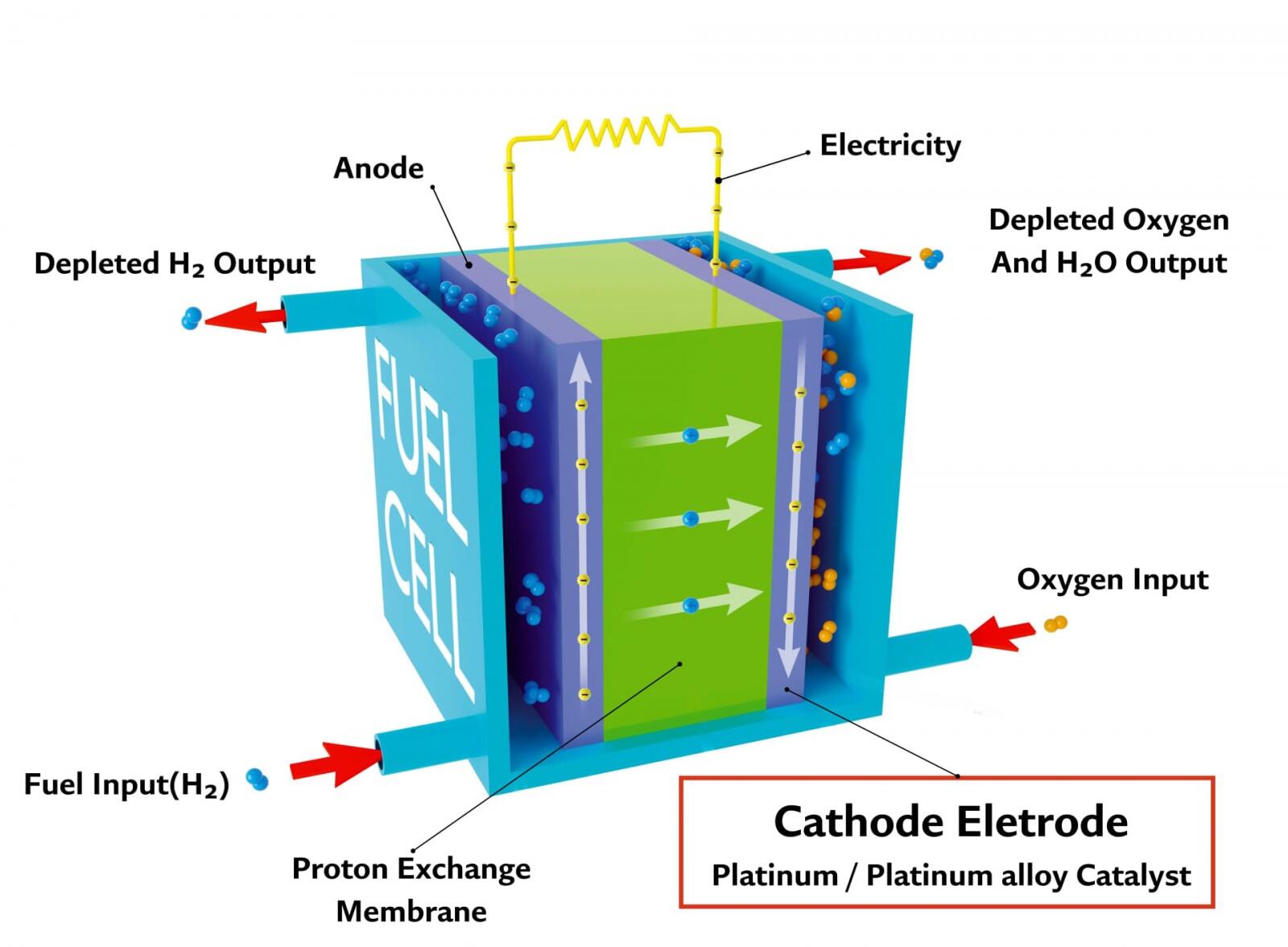
Buennagel博士は、水素のバリューチェーンにおいて貴金属ごとに異なる役割があると説明する。白金(Pt)は多くの固体高分子形燃料電池(PEFC)の中核となる電極触媒であり、イリジウム(Ir)は、触媒が強い酸化性・酸性条件に耐えなければならないPEM水電解の酸素発生反応においてとりわけ重要である。パラジウム(Pd)は、水素を選択的に透過させる性質から、水素の分離・精製に用いることができる。ルテニウム(Ru)系やロジウム(Rh)系の触媒は炭化水素からの水素製造を支え、変成触媒や選択酸化(PROX)触媒は水素収率を高め、水素ガス中に残る一酸化炭素(CO)を低減することができる。
代替材料の開発は進んでいるものの、こうした特性の組み合わせに匹敵するのは依然として難しい。初期試験では良好な性能を示しても、長期運転における耐久性、効率、安定性で及ばないことがある。そのため田中貴金属は、工業用途の水素アプリケーションの要求を満たす材料の開発を続けながら、貴金属をより効率的に使う余地があると考えている。
方向性は「貴金属ゼロ」ではなく、「より少なく、より長く、より効率的に」
だからこそ、次のステップは必ずしも貴金属をなくすことではなく、より有効に使うことにある。目指すのは、システムの稼働期間を通じて求められる性能と耐久性を保ちながら、ある機能を実現するのに必要な量を減らすことである。
PEM水電解において、これはとりわけイリジウムにとって重要だ。Buennagel博士は「課題は単にイリジウムの量を減らすことではなく、工業運転に必要な活性と耐久性を保ちながら、その利用率を高めることにある」と説明する。そこで田中貴金属は、この課題に取り組むため複数の触媒設計を進めている。高活性の酸化イリジウム触媒「TEC77100」は比表面積が大きく、触媒利用率の向上に寄与しうる。一方「TEC77110」は、ルチル型の結晶構造によって長期耐久性を支える。
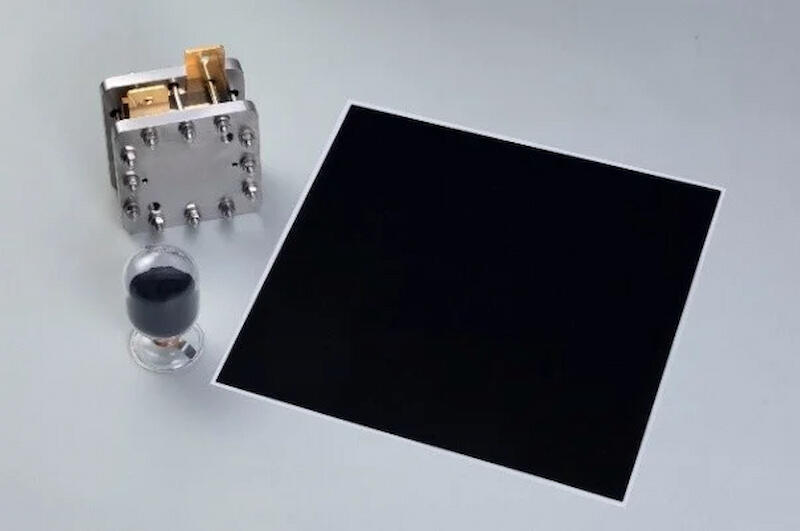
Buennagel博士が言うように、触媒開発には「初期活性、長期安定性、材料効率」のバランスが求められる。田中貴金属は、担持量0.1mg/cm²を目標とする新コンセプトのイリジウム触媒の開発も進めている。Buennagel博士は、これはあくまで開発目標であり、達成済みの削減量ではないと強調する。触媒設計にとどまらず、田中貴金属はコーティング厚の最適化、部分めっき、再コーティングによって、他の部材における貴金属使用量の削減にも取り組んでいる。
技術開発から工業規模の生産へ
田中貴金属にとって、実験室で高性能な材料を開発することは出発点にすぎない。Buennagel博士の言葉を借りれば、「本当の課題は、その性能を工業生産の条件下で一貫して再現すること」である。田中貴金属は1985年から燃料電池用電極触媒の開発に取り組み、触媒の配合、製造、品質管理の経験を積み重ねてきた。
同社の燃料電池用触媒のラインアップには、さまざまな性能・耐久性の要求に応えるため、配合、貴金属担持量、カーボン担体の異なる製品がそろっている。これらの材料が工業生産に移行すると、粒子の分散、金属担持量、ロット間の均一性といった要素が決定的に重要になる。この経験は、田中貴金属の水電解用触媒の開発にも生かされている。顧客は、技術要件を満たすと同時に、将来の生産スケールアップを支えられる材料をますます求めるようになっているからだ。
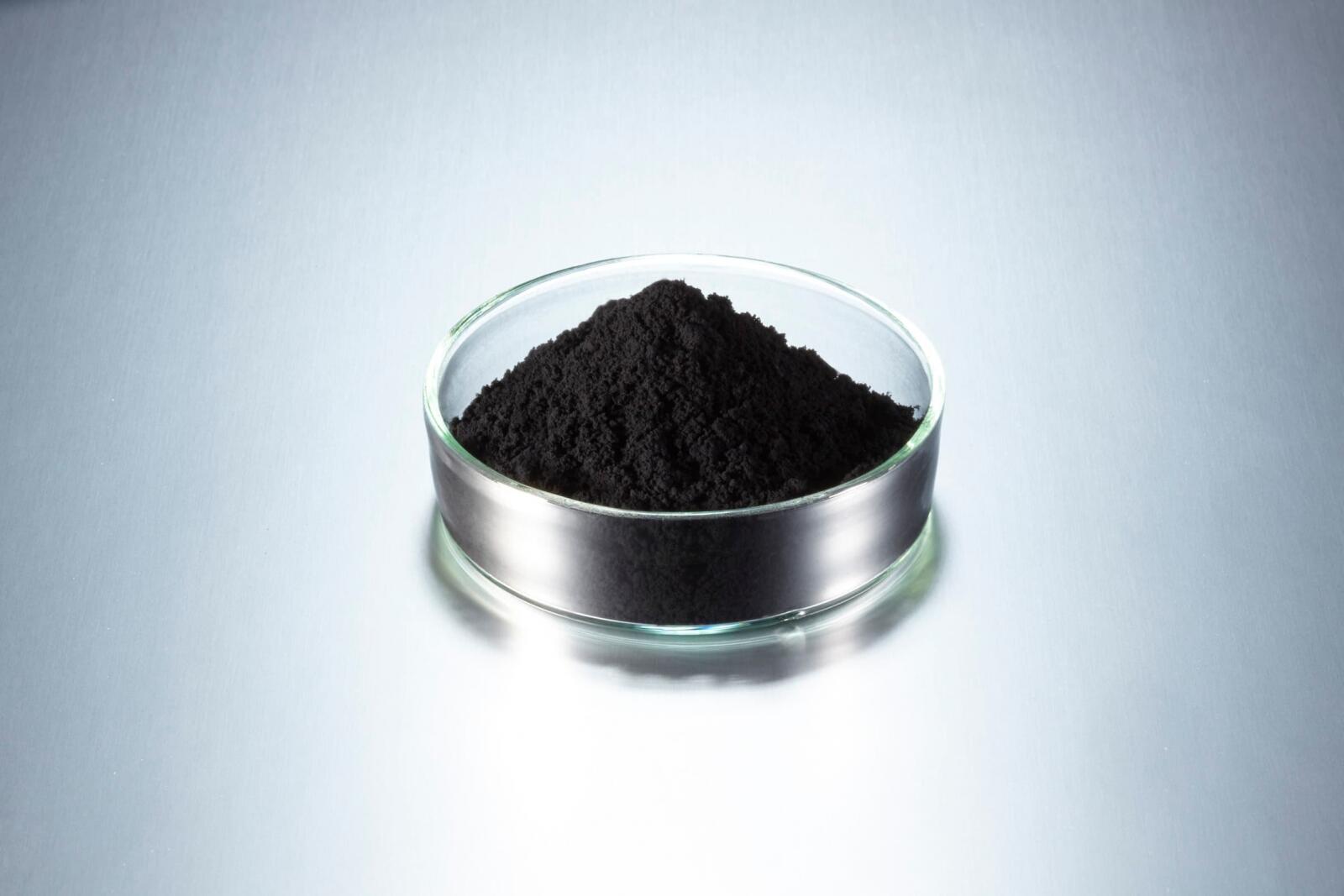
同社は、貴金属の知見を水素の精製・分離にも応用している。田中貴金属のパラジウム合金水素透過膜「HPM-L111」は、従来のPdCu40膜が約400℃で運転するのに対し、約100℃で運転できる。膜表面を改質することで、大幅に低い温度で高い水素透過性能を実現する膜を開発した。
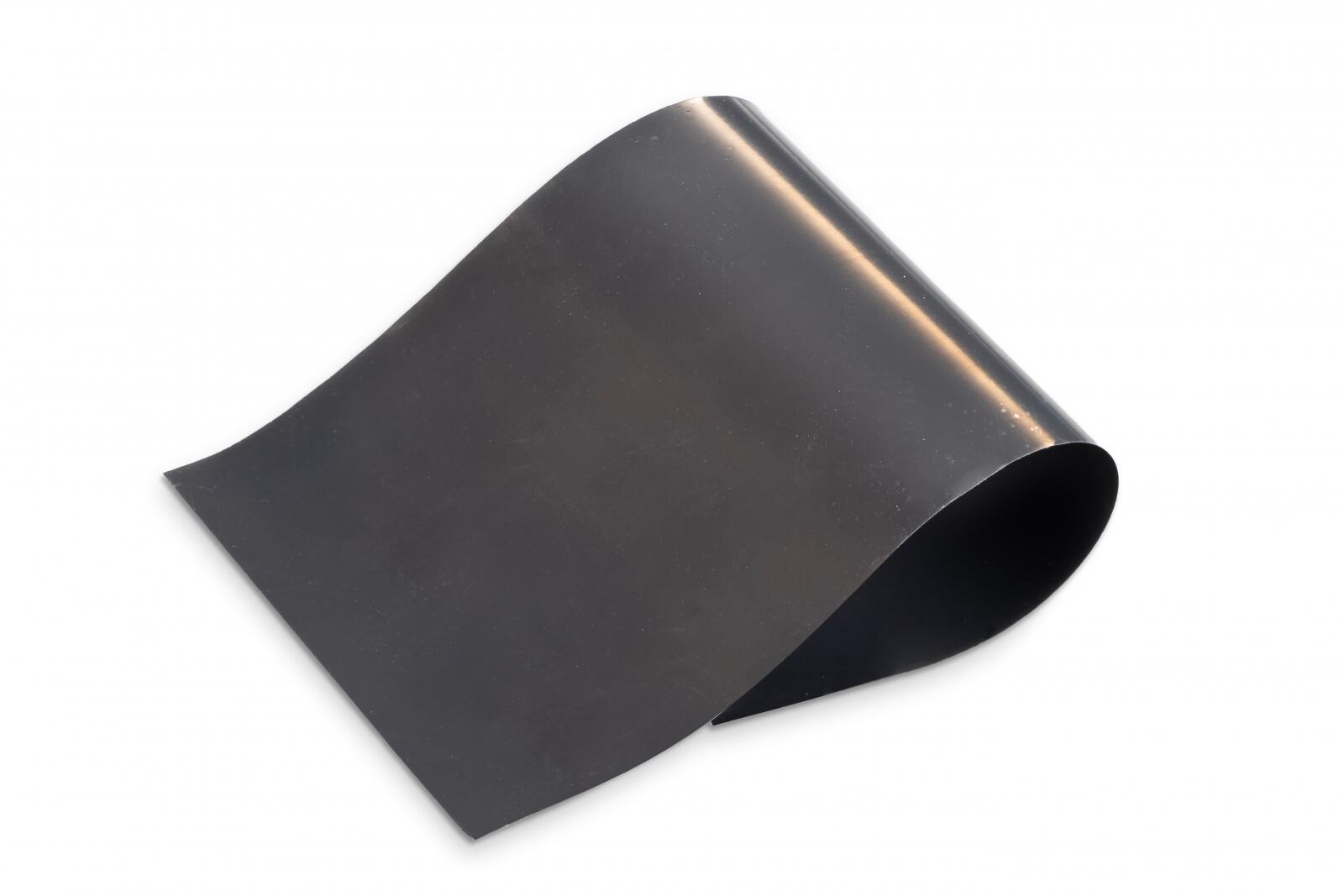
Buennagel博士によれば、運転温度の低温化は「用途やシステム設計によっては、加熱に必要なエネルギーを減らし、水素システムへの組み込みを容易にする可能性がある」。想定される用途には、水素精製、水素センサー、燃料電池関連システム、装置内からの水素除去などがある。ただし、商用化に至るかどうかは、各用途の技術的・経済的な要件次第である。
サプライチェーンとサステナビリティの一部としての回収・精製と循環
貴金属の回収・精製は、水素技術のサプライチェーンとサステナビリティの取り組みにおいて、ますます重要な位置を占めるようになっている。IrやPtは貴重な資源であり、製品のライフサイクル全体を通じてそれらをどう管理するかが問われる。
田中貴金属は、貴金属の調達、触媒の開発・製造に、回収・精製の能力を組み合わせている。これにより、貴金属の初期供給だけでなく、製造工程で生じる残渣や、条件に合う使用済み部材から貴重な材料を回収することでも顧客を支援できる。
顧客にとって、このクローズドループ型のアプローチは、新たに調達する材料への依存を減らす助けになる。Buennagel博士は「回収した金属を製造のサプライチェーンに戻すことで、新規調達材料への依存を減らし、サプライチェーンの強靭性を高めることができる」と説明する。ただし回収効率は、持ち込まれる材料の組成と、その処理に必要なプロセスに左右される。膜や触媒コーティング材料を含む複雑な部材は、リサイクルにおいて追加の課題を伴うことがある。
田中貴金属は、貴金属以外にも目を向けている。燃料電池や水電解装置に使われる他の材料、たとえばカーボンやフッ素含有材料のリサイクル・再利用にも関心を寄せている。同社の長期的な目標は、リサイクルを使用済み段階だけの取り組みとして扱うのではなく、顧客とともに、貴金属の回収を材料供給戦略に当初から組み込んでいくことである。
展望:貴金属と代替材料はどう共存していくのか
今後5〜10年で、焦点は単に貴金属の使用量を減らすことから、使用する一単位ごとにより多くの価値を引き出すことへと移っていくだろう。担持量のさらなる削減は、触媒設計の改良、活性の向上、耐久性の延長にかかっているが、課題と機会は用途によって異なる。燃料電池におけるPt使用量の削減は、PEM水電解におけるIr消費量の削減とは異なる課題をはらんでいる。
代替触媒材料の開発は今後も進むだろうが、より広く採用されるかどうかは、実際の運転条件下で経済的な競争力を保ちつつ、求められる性能と耐久性を発揮できるかにかかっている。同時に、水素システムの導入が広がるにつれ、回収・精製の重要性はますます高まっていく。
田中貴金属にとっての長期的な機会は、触媒開発、材料供給、リサイクルをつなぐことにある。Buennagel博士は、「進歩は、個々の部材に含まれる貴金属の量を減らすことだけでなく、稼働期間全体を通じた生産性を高め、将来の利用に向けて回収することによっても測られるべきだ」との見方を示している。
Hydrogen Technology World Expo 2026に出展
田中貴金属は「Hydrogen Technology World Expo 2026」(2026年10月20日〜22日、ドイツ・ハンブルク Hamburg Messe)において、水素の製造・精製・利用に向けた貴金属技術のポートフォリオを、回収・精製のソリューションとあわせて紹介する。田中貴金属のブース(Hall B7、Booth 7J54)では、触媒性能、貴金属の効率的な使用、長期耐久性、循環型の材料管理についてチームと意見を交わし、水素バリューチェーン全体での協業の可能性を探っていただける。
水素の製造・精製・利用と循環を支える田中貴金属の貴金属技術については、カーボンニュートラルに貢献する貴金属の役割をご覧いただきたい。
製品に関するお問い合わせは、田中貴金属の産業用貴金属チームまで:産業用製品に関するお問い合わせ
著者紹介
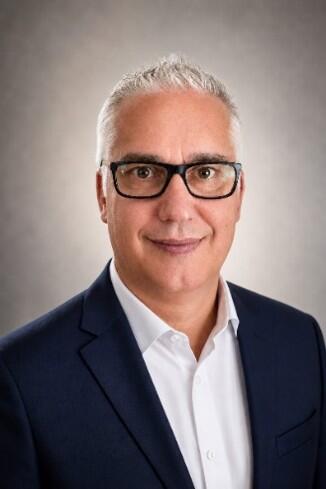
Torsten W. Buennagel博士
田中貴金属工業株式会社 燃料電池マネージャー
Torsten W. Buennagel博士は、田中貴金属の燃料電池マネージャーであり、田中貴金属工業株式会社と、田中貴金属のグループ会社であるMetalor Technologies SAの双方にまたがる業務を担当している。貴金属触媒の分野で15年以上の経験を持ち、燃料電池用・水電解用触媒の事業開発を主導。顧客や業界パートナーと連携しながら、水素技術の商用化と、循環型の貴金属バリューチェーンの構築を支援している。ヴッパータール大学で高分子化学の博士号を取得。
※編集者注:貴金属とは、金(Au)、銀(Ag)、白金(Pt)、パラジウム(Pd)、イリジウム(Ir)、ロジウム(Rh)、ルテニウム(Ru)、オスミウム(Os)の8元素を指す。
【記事引用元】Scaling hydrogen: How can precious metals balance performance, reduction and circularity?
本記事は、許可を得て、田中貴金属が翻訳・掲載しました。
関連情報


Source: Reccessary
Date: October 20, 2026
Author: Dr. Torsten W. Buennagel (Fuel Cell Manager, TANAKA PRECIOUS METAL TECHNOLOGIES Co., Ltd.)
Link: Scaling hydrogen: How can precious metals balance performance, reduction and circularity?
As hydrogen scales up, precious metal efficiency, durability and circularity become increasingly important.
As countries and industries accelerate their transition towards lower-carbon energy systems, hydrogen is emerging as an important area of investment and technological development. The industry is moving beyond demonstration projects and technology validation, with greater attention being paid to how hydrogen technologies can be scaled cost-effectively and reliably.
This shift is also making material efficiency central to technology development and supply-chain planning. Precious metals, especially platinum group metals (PGMs), remain important in hydrogen production, purification and utilization because they provide catalytic and functional properties that are difficult to match. However, their cost and availability make it difficult to simply increase material use as the industry scales. The focus is therefore shifting towards reducing material use, extending operating life and recovering valuable metals for reuse.
Using precious metals efficiently depends not only on the amount used in a catalyst or component, but also on how materials are produced, supplied, recovered and reused. TANAKA works across several of these areas, including electrocatalyst for fuel-cells and water electrolysis, hydrogen permeable membranes, industrial-scale manufacturing, precious-metal recovery and refining.
As hydrogen scales, material challenges come into focus
At this stage, the challenge is no longer simply developing high-performing materials. It is ensuring that they can perform consistently at industrial scale, while maintaining durability, manufacturing consistency and a reliable supply as demand grows.
Dr. Buennagel of TANAKA says that “initial catalyst performance remains important, but customers are increasingly focused on total cost of ownership, long-term durability, manufacturing consistency and supply security.” TANAKA sees reducing precious-metal consumption without compromising efficiency or operating lifetime as a key challenge. It also sees a broader role for materials suppliers. As the company puts it, suppliers need to provide materials that deliver reproducible performance at industrial scale while supporting customers with reliable precious-metal supply and, increasingly, recovery and refining solutions.
This is particularly important for polymer electrolyte membrane (PEM) water electrolysis, where iridium (Ir) plays an important role in the oxygen-evolution reaction (OER) and its availability is an important consideration for future scale-up. Reducing iridium consumption is therefore not simply about using less material. The challenge is to make better use of Ir while maintaining the performance and durability needed for industrial operation.
Why do precious metals still remain essential?
At the same time, reducing precious-metal use does not mean that these materials can simply be replaced. PGMs combine high catalytic activity with properties that are important under demanding operating conditions. Any alternative material needs to match not only initial catalytic performance, but also the durability, efficiency and stability required in actual use.
Dr. Buennagel of TANAKA explains that different precious metals serve different purposes across the hydrogen value chain. Platinum (Pt) is electrocatalyst central to many polymer electrolyte fuel cells (PEFCs), while iridium (Ir) is particularly important for the oxygen-evolution reaction in PEM water electrolysis, where catalysts must withstand highly oxidative and acidic conditions. Palladium (Pd) can be used for hydrogen separation and purification because of its selective hydrogen permeability. Ruthenium (Ru) and rhodium (Rh) based catalysts can support hydrogen production from hydrocarbons, while shift-reaction and preferential oxidation (PROX) catalysts can increase hydrogen yield and reduce residual carbon monoxide (CO) in hydrogen streams.
Alternative materials are being developed, but matching this combination of properties remains a challenge. A material may perform well in initial tests but fall short in durability, efficiency or stability over longer periods of operation. TANAKA therefore sees room to use precious metals more efficiently while continuing to develop materials that can meet the requirements of industrial hydrogen applications.
The direction is not “no precious metals,” but “less material, longer life and more efficient use”
This is why the next step is not necessarily to eliminate precious metals, but to use them more effectively. The aim is to reduce the amount needed for a given function while maintaining the performance and durability required over the operating life of the system.
For PEM water electrolysis, this is particularly important for iridium. Dr. Buennagel of TANAKA explains that “the challenge is not simply to reduce the amount of iridium, but to improve its utilization while maintaining the activity and durability required for industrial operation.” Thus TANAKA is working on several catalyst designs to address this challenge. Its high-activity TEC77100 iridium oxide catalyst has a high specific surface area, which can help improve catalyst utilization, while TEC77110 uses a rutile-type crystal structure to support long-term durability.
As Dr. Buennagel puts it, catalyst development requires balancing “initial activity, long-term stability and material efficiency.” TANAKA is also developing a new-concept iridium catalyst targeting a loading of 0.1 mg/cm². Dr. Buennagel stresses that this is a development target, not an achieved reduction. Beyond catalyst design, TANAKA is also working to reduce precious-metal consumption in other components through optimized coating thickness, selective plating and recoating.
From technology development to industrial-scale production
For TANAKA, developing a high-performance material in the laboratory is only the beginning. As Dr. Buennagel puts it, “the real challenge is reproducing that performance consistently under industrial manufacturing conditions.” TANAKA has been developing fuel-cell electrocatalysts since 1985, building experience in catalyst formulation, manufacturing and quality control.
Its fuel-cell catalyst portfolio includes different formulations, precious-metal loadings and carbon supports to meet different performance and durability requirements. Once these materials move into industrial production, factors such as particle dispersion, metal loading and batch-to-batch consistency become critical. This experience also informs TANAKA’s development of water-electrolysis catalysts, as customers increasingly look for materials that meet technical requirements while supporting future production scale-up.
The company is also applying its precious-metal expertise to hydrogen purification and separation. TANAKA’s HPM-L111 palladium-alloy hydrogen-permeable membrane can operate at approximately 100°C, compared with around 400°C for its conventional PdCu40 membrane. By modifying the membrane surface, TANAKA has developed a membrane that achieves high hydrogen permeability at a significantly lower temperature.
According to Dr. Buennagel, the lower operating temperature “has the potential to reduce heating requirements and simplify integration into hydrogen systems, depending on the application and system design.” Potential applications include hydrogen purification, hydrogen sensors, fuel-cell-related systems and hydrogen removal from equipment. Commercial adoption, however, will depend on the technical and economic requirements of each application.
Recovery, refining and circularity as part of the supply chain and sustainability
Recovering and refining precious metals is becoming an increasingly important part of the hydrogen technology supply chain and sustainability efforts. Ir and Pt are valuable resources, so how they are managed throughout the product lifecycle matters.
TANAKA combines precious-metal procurement, catalyst development and manufacturing with recovery and refining capabilities. This allows the company to support customers not only with the initial supply of precious metals, but also with the recovery of valuable materials from manufacturing residues and suitable end-of-life components.
For customers, this closed-loop approach can help reduce reliance on newly sourced materials. As Dr. Buennagel of TANAKA explains, “recovered metals can be returned to the manufacturing supply chain, reducing dependence on newly sourced material and supporting greater supply-chain resilience.” However, recovery efficiency depends on the composition of the incoming material and the processes required to treat it. Complex components, including membranes and catalyst-coated materials, can present additional recycling challenges.
TANAKA is also looking beyond precious metals, with an interest in recycling and reusing other materials used in fuel cells and water electrolysers, including carbon and fluorine-containing materials. The company’s longer-term objective is to work with customers to integrate precious-metal recovery into their material-supply strategies from the beginning, rather than treating recycling solely as an end-of-life activity.
Outlook: How will precious metals and alternative materials coexist?
Over the next five to ten years, the focus is likely to shift from simply using less precious metal to getting more value from every unit used. Further reductions in loading will depend on better catalyst design, higher activity and longer durability, but the challenges and opportunities will differ by application. Cutting Pt use in fuel cells presents different challenges from reducing Ir consumption in PEM water electrolysis.
Alternative catalyst materials will continue to develop, but wider adoption will depend on whether they can deliver the required performance and durability while remaining economically competitive under real operating conditions. At the same time, as hydrogen systems are deployed more widely, recovery and refining will become increasingly important.
For TANAKA, the longer-term opportunity lies in connecting catalyst development, materials supply and recycling. As of Dr. Buennagel of TANAKA’s view, “progress should be measured not only by reducing the amount of precious metal in an individual component, but also by improving its productivity over the full operating lifetime and recovering it for future use.”
Hydrogen Technology World Expo 2026
At Hydrogen Technology World Expo 2026, October 20–22 at Hamburg Messe in Hamburg, Germany, TANAKA will showcase its portfolio of precious-metal technologies for hydrogen production, purification and utilization, alongside its recovery and refining solutions. Visitors are invited to stop by the TANAKA booth (Hall B7, Booth 7J54) to discuss catalyst performance, efficient precious-metal use, long-term durability and circular material management with the team, and to explore potential opportunities for collaboration across the hydrogen value chain.
Explore TANAKA’s precious-metal technologies for hydrogen production, purification, utilization and circularity, visit: The Role of Precious Metals in Contributing to Carbon Neutrality
For product inquiries, contact TANAKA’s industrial precious metals team: Inquiries on Industrial Products
About the Author
Dr. Torsten W. Buennagel
Fuel Cell Manager, TANAKA PRECIOUS METAL TECHNOLOGIES Co., Ltd.
Dr. Torsten W. Buennagel is Fuel Cell Manager at TANAKA, with responsibilities spanning TANAKA PRECIOUS METAL TECHNOLOGIES Co., Ltd. and Metalor Technologies SA, a group company of TANAKA. With more than 15 years of experience in precious-metal catalysts, he leads business development for fuel-cell and water-electrolysis catalysts, working with customers and industry partners to support the commercialization of hydrogen technologies and the development of circular precious-metal value chains. He holds a doctorate in macromolecular chemistry from the University of Wuppertal.
Editorial note: Precious metals comprise eight metallic elements: silver (Ag), gold (Au), platinum (Pt), palladium (Pd), iridium (Ir), rhodium (Rh), ruthenium (Ru) and osmium (Os).
[Source] Scaling hydrogen: How can precious metals balance performance, reduction and circularity?
This article has been published by TANAKA with permission.
Related information

这篇报道怎么样?
请参考的人分享。


